“Children are NOW!”

It happened. The year that brought so much unhappiness to many people around the globe has passed. Goodbye, 2020. Hello, 2021. They say, “Time heals all wounds.” Hopefully, over time the suffering and pain from 2020 will subside. Hopeful for the future. One of my favorite Italian words that reflects this sense of hope is avanti—full steam ahead.

book children.jpg

During the global pandemic I had the privilege of learning from people from around the world about issues impacting young children and their families resulting from COVID-19. The diverse group was brought together by UNESCO. An advocate for children’s rights and humanitarian issues, Princess Laurentien of the Netherlands said, “Children are NOW!” She said she was fed up with people saying, “children are the future.” I am hopeful NOW for the road ahead, because I know how resilient we are. Children are NOW!

HRH Laurentien of the Netherlands

HRH Laurentien of the Netherlands

In addition to child advocates, filmmakers have done incredible work to help better understand children NOW. If you’re interested in checking out their films which explore child development, I’ve got three to share with you.

1. “Becoming You”

2. “Babies”

3. “7Up”

Becoming You” is available on Apple+ and released in 2020. This docuseries focuses on the first 2,000 days of life. The Becoming You series is directed by the creative brain of Tom Barbor-Might. His cinematic skills takes us on a visually stunning journey. Becoming You is narrated by Olivia Colman who plays the Queen in the “Crown.” There is one season of Becoming You with a total of six episodes which I’ve described next and indicated how long the episode runs.

1.     Who am I? (39 minutes)

2.     Moving (43 minutes)

3.     Making Friends (43 minutes)

4.     Feeling (41 minutes)

5.     Talking (41 minutes)

6.     Thinking (41 minutes)

All six episodes of Becoming You are fabulous but my favorite is the one about talking. Check it out and learn about the “Seuss boost,” what the brain thinks about rhymes, multilingualism, how deaf families use hand babbling with their babies learning sign language, and the amazing little girl named Riley who is from South Florida. My friend told me about this resource. I hope you tell your friends too. Thank you for always thinking of me to pass on this cool stuff, Tonya Schadle.

Babies” is available on Netflix and released in 2020. This docuseries is focused on research related to child development. The latest and state-of-the-art research is presented in an interesting way with relevant information parents and early childhood educators can use. Like the Becoming You docuseries, the Babies docuseries will take you around the World to gorgeous countries. In addition to the on-location sites, Babies and Becoming You will introduce you to the most precious children and their families. What a treat to meet these people who are sharing their homes, culture, and languages with us viewers. There are two seasons of Babies with a total of twelve episodes which I’ve described next and indicated how long the episode runs.

Part 1.

1.     Love (48 minutes)

2.     First Food (52 minutes)

3.     Crawling (53 minutes)

4.     First Words (51 minutes)

5.     Sleep (49 minutes)

6.     First Steps (50 minutes)

Part 2.

1.     What Babies Know (55 minutes)

2.     Movement (53 minutes)

3.     Senses (50 minutes)

4.     Relationships (52 minutes)

5.     Nature and Nurture (47 minutes)

6.     Toddlers (46 minutes)

7Up” is available on Amazon and/or other places where you get your documentaries. The Up Series is directed by Michael Apted who sadly died on Friday at the age of 79. Apted started this series in 1964. He and his team followed the same children over time into adulthood. Every 7 years the conversations with participants would pick up where it left off. We get to know 14 British children who are interviewed by Apted in seven year intervals. There are multiple episodes of the Up Series which I’ve described next and indicated how long the episode runs.

1.     1964 – 7 Up (31 minutes)

2.     1970 – 14 Up (53 minutes)

3.     1977 – 21 Up (100 minutes)

4.     1984 – 28 Up (40 minutes) Part 1

5.     1984 – 28 Up (62 minutes) Part 2

6.     1984 – 28 Up (74 minutes) Part 3

7.     1991 – 35 Up (116 minutes)

8.     1998 – 42 Up (134 minutes)

9.     2005 – 49 Up (136 minutes)

10.2012 – 56 Up (47 minutes) Part 1

11.2012 – 56 Up (47 minutes) Part 2

12.2012 – 56 Up (50 minutes) Part 3

13.2019 – 63 Up (47 minutes)

I first started watching the Up Series when I was a graduate student at the University of Oregon in the early 2000s. One of my professors recommended it to me when we were discussing longitudinal research designs. I was hooked.

“Becoming You,” “Babies,” and “7Up” examine issues related to early childhood development. Do yourself a favor and take a master class by watching one, two, or all these fantastic docuseries in 2021. What will we do with what we know? We must address the needs of young children NOW. Avanti!
Salt Dough Ornament

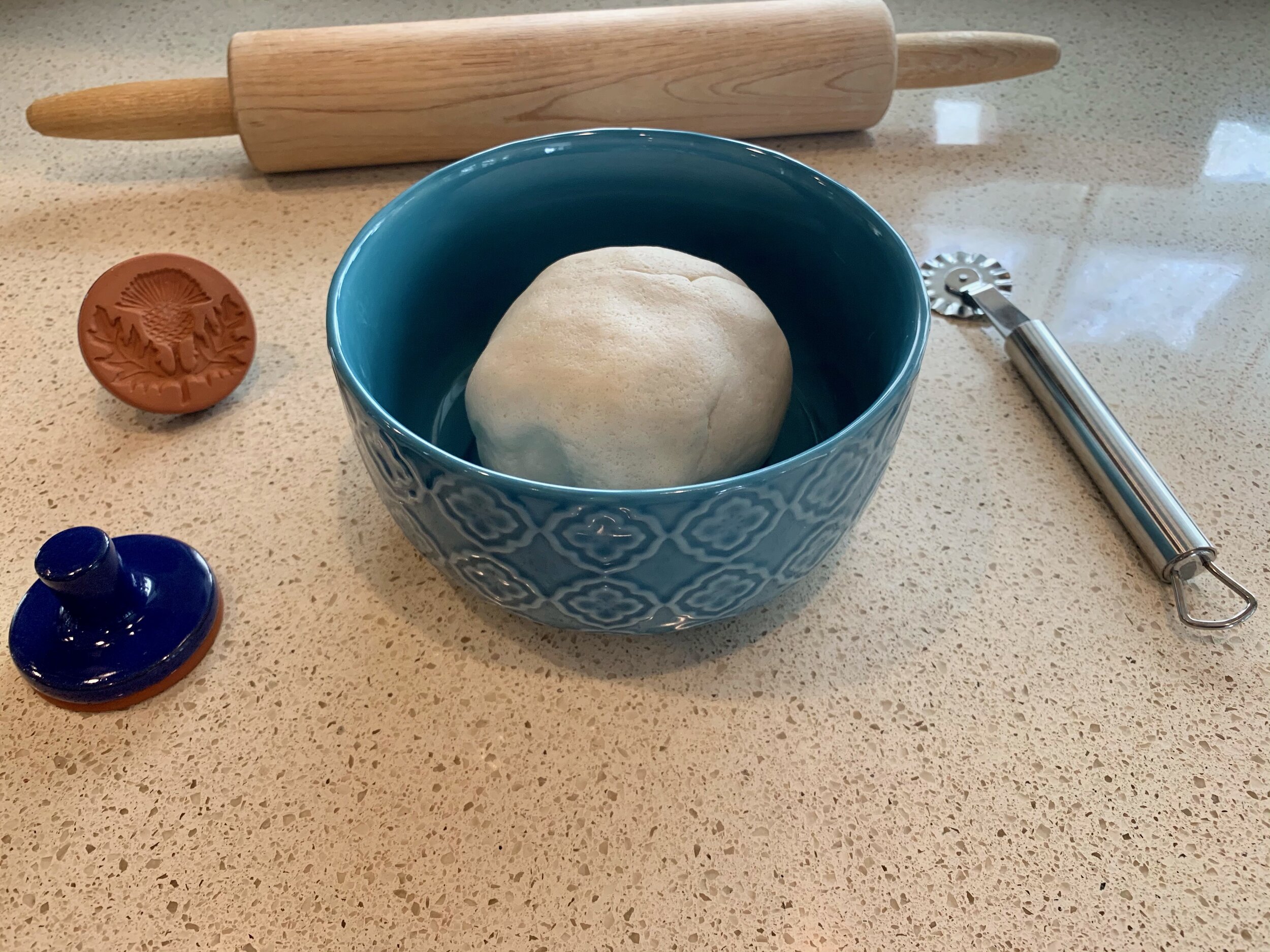
Looking for something fun to do with the amazing children in your life. How about a fun craft?! I recently made salt dough ornaments with my little one. Here is what we did.
First, we made the dough (recipe below).

Salt Dough .jpeg

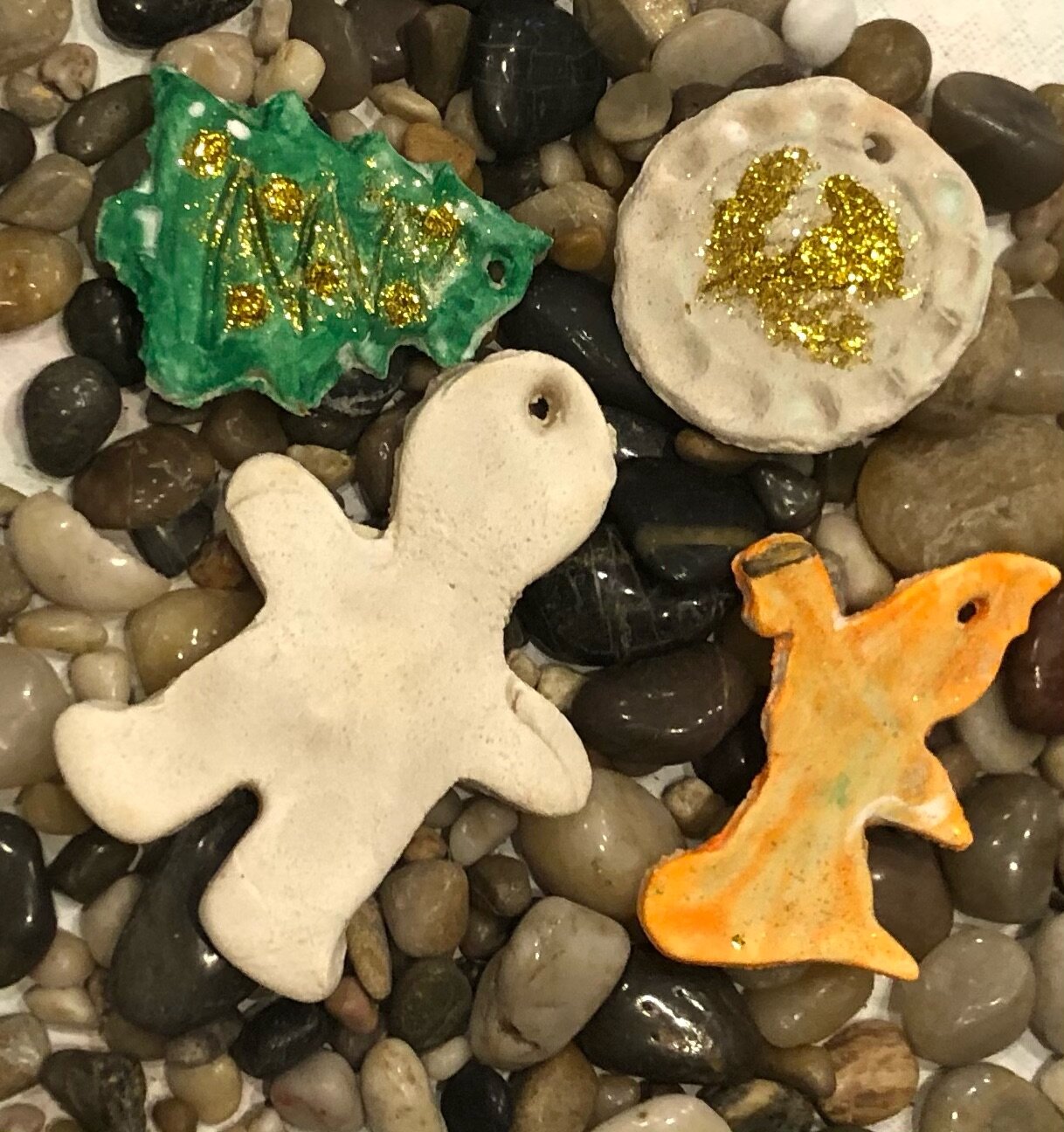
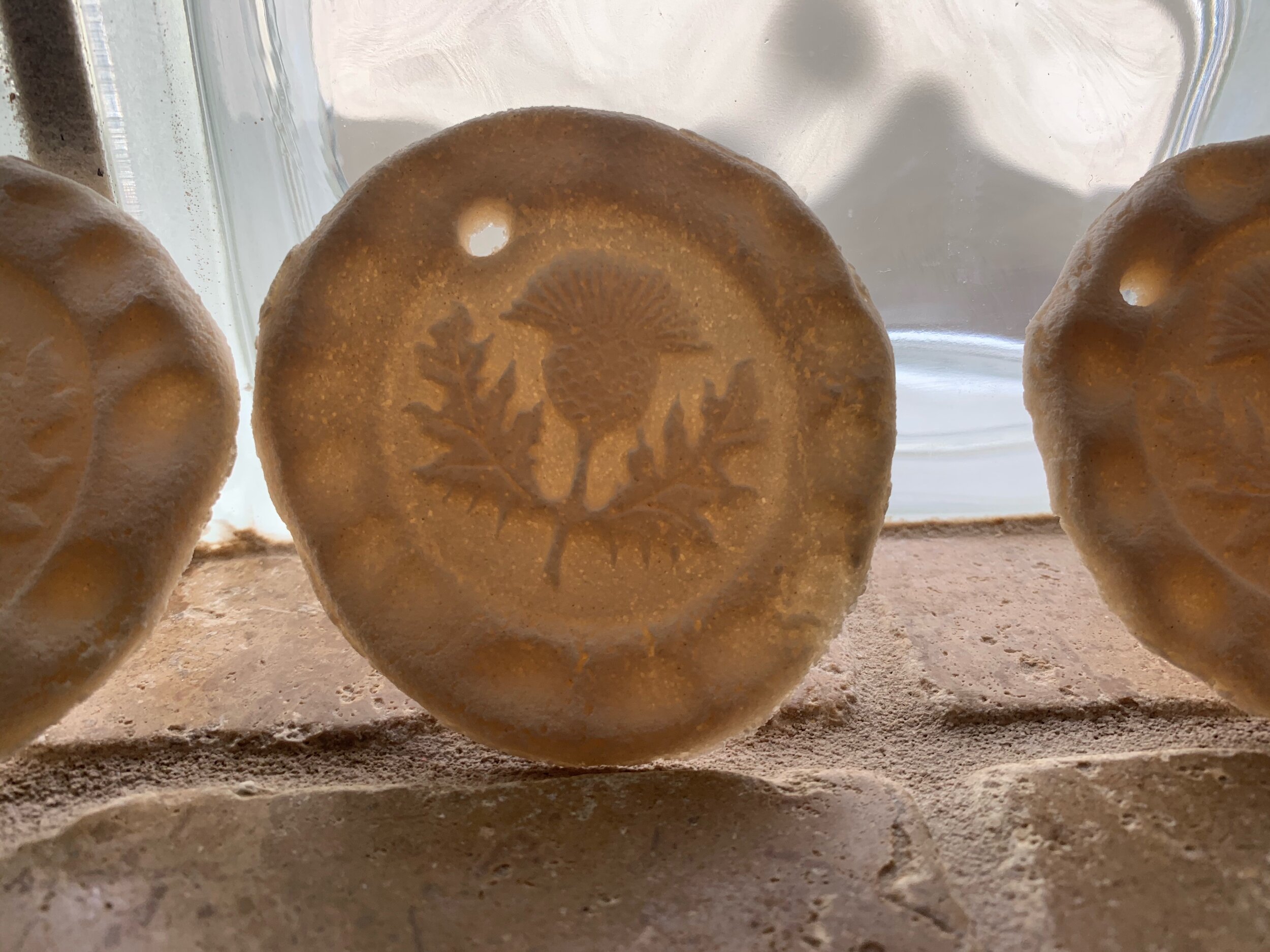
Second, we shaped the dough into creative shapes. We used cookie cutters, ravioli wheel cutter, and our fingers and hands. If you want to capture your little ones’ feet and hands this makes a great keepsake.

Thistle Salt Dough Ornament.jpeg

Third, we baked the ornaments on low heat for several hours (oven at 250 for about 2 hours).  Then we let the baked ornaments rest on the kitchen countertop overnight.

Fourth, the next day we decorated our homemade salt dough ornaments. You can use a glue/water glaze or Modge Podge to preserve your art.

Ornaments.jpeg

Wishing you the joy of the season with time spent with family and children.

Love,

Marisa


Salt Dough Recipe

2 cups all purpose flour

1 cup of salt

1 cup of water

Thank you, Dolly!

“I always just thought if you see somebody without a smile, give'em yours!” ~Dolly Parton

The scent of turkey is starting to permeate the house as I pluck at letters to make words with only the twinkling tree and computer screen lighting my way across the keyboard. I’m waiting for the rest of my family to wake up. Today is Thanksgiving! With abundant gratitude I reflect on my blessings. I am grateful for my husband of 21 years, my precious daughter, my Mom and Dad, my two brothers, my 4 nieces and 4 nephews, in-laws, extended family members in America and Italy, and friends. I am especially grateful during this health crisis for my own good health, and the health of my family and friends. I am grateful for my students, colleagues, and work. I have so much to be grateful for this Thanksgiving.

Before the day is over, people will start holiday shopping. Gift exchange season is upon us. This year might look different for many of us because of the global pandemic and health crisis. Instead of giving and receiving presents in person, many will be going to our mailbox and using postal and delivery services for exchanging holiday presents and cards. 

Parents and children in the US and other countries will be going to their mailbox and they will receive presents from the musician - Ms. Dolly Parton. The gifts she gives children every month are…BOOKS! Glorious books! The Imagination Library is a foundation that Dolly started in honor of her Father.

DPIL-2020Logo-web.jpg

For over 20 years, the Imagination Library gifts children with books once a month. A personalized book with the child’s name is mailed to their family’s home. Children continue to receive these monthly books from birth until they go to Kindergarten. Dolly’s early literacy gift can help children learn language, letter sounds, story elements, and so much more.

I got to talk with Mr. David Dotson, CEO of the Imagination Library, on a recent episode of the BUTTERCUP podcast episode 40. Check it out and hear what he said about Dolly’s wish, where the logo from the library comes from, how Dolly and David work with authors and publishers to deliver books to children, pursuing a career in the non-profit world, and the story of the Imagination Library. There will also be a premiere of the Imagination Library documentary on Dec. 9th at 7pm on Facebook that Mr. Dotson shared on the podcast. Mark your calendar.

David Dotson, CEO of Imagination Library

David Dotson, CEO of Imagination Library

This season I am so grateful for gift givers, like Dolly and David, and want to be sure to communicate my gratitude. Time for me to start writing my THANK YOU letters to David Dotson, Dolly Parton, and the Imagination Library team who give the gift of early literacy to children. Thank you for your thoughtful and generous gift of books. Thank you all so much!

Dolly Parton, Founder of Imagination Library

Dolly Parton, Founder of Imagination Library


Child Find via Mail

Today is my last blog of a four-part series on Child Find activities that are virtual and/or remote. Last month (September), I wrote about doing a virtual home visit for Child Find. In July, I wrote about how to do Child Find using an online system. In May, I wrote about using a phone for Child Find efforts.

The previous three Child Find virtual/remote activities involved some form of technology and/or electronics.  Good old fashioned snail mail will be today’s topic for conducting Child Find when face-to-face options are unavailable, unsafe, or unrealistic.

Connecting children with services is a critical concern in the face of the global pandemic resulting from the Coronavirus. Child Find is a system that focuses on early identification of delays and/or disabilities in children. In America, Child Find has been in existence since 1975 when Public Law 94-142, the Education for All Handicapped Children’s Act was passed by congress. Today we call this law the Individuals with Disabilities Education Act (IDEA). The intent of IDEA Child Find is, “to create and implement a system to actively locate…children with disabilities.” There are many ways to actively locate children who may be eligible for IDEA services due to a delay or disability. One way is through developmental screening through the postal system or mail delivery.

E10-E_websize.jpg

If someone close to the child (e.g., parent, family member, familiar caregiver) has a concern, they can contact their local provider(s) who could follow up on their concern by conducting a developmental screening assessment  via mail. Yes, I said mail. Remember envelopes, stamps, and paper?!?! Are you thinking this sounds outdated? Maybe. Maybe not.

Professionals conducting Child Find efforts from a distance may find the postal service a useful tool as an alternative to face-to-face options. A procedure for Child Find by mail would be where staff mail a developmental questionnaire to the child’s address on record. Parent(s) and/or familiar caregiver(s) complete the developmental questionnaire and mail back to the staff or central location for scoring and feedback.

Special considerations should be made for children and families experiencing homelessness. Three other considerations are: (a) provide postage so parents do not have to worry about paying to mail the return envelope to the Child Find professional, (b) have the correct mailing address for families, and (c) keep in mind that this method of Child Find takes time for deliveries and there could be problems with sending and receiving the physical mail from the postal service. Return rates for questionnaires can be increased with a variety of strategies, for example making reminder phone calls to parents and sending a second questionnaire and reminder if the first one isn’t returned.

Screening Book.gif

For more information, check out the Child Find book (above) and/or a webinar I made called “Child Find: Identifying Children for IDEA Services in a Remote and Virtual Context.” I made this webinar for the Brookes Coffee Chat series and it is now available on demand at the following link:

https://brookespublishing.com/resource-library/child-find-identifying-children-for-idea-services-in-a-remote-and-virtual-context/

Pandemic-style Graduation

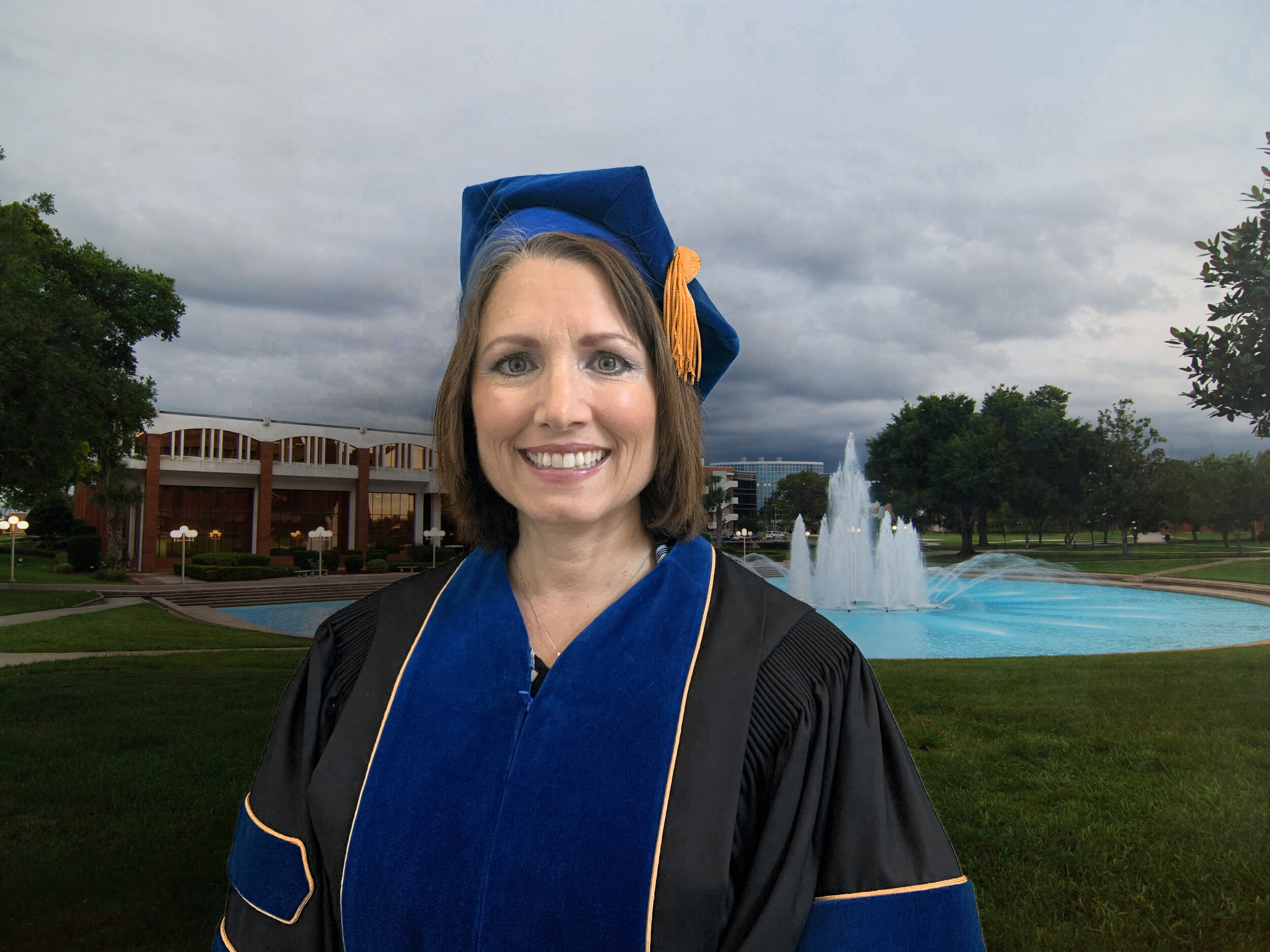
As I sit here at my laptop to write this, I am filled with so much hope for the future. You see last night we had our university graduation for summer 2020 graduates. It was virtual. It was a pandemic-style graduation. Of course (I hate you, COVID-19). Students did not gather in a big facility with their friends and families to celebrate their big accomplishments. Nope. They did not get to walk across the stage, shake our Dean’s hand, and hear many people wish them “Congratulations.” Nope. In this age of the Coronavirus, a graduate is more likely to see their name scroll across a screen as they squint to see acknowledgment of their achievement on an electronic device. It saddens my heart. But still I’m hopeful for the future.

“Oh the places you will go.” (with photoshop)

“Oh the places you will go.” (with photoshop)

Picture it (yes I’m channeling Sofia from Golden Girls) late spring 2020 and you have one more semester left before you can graduate with your degree. As of spring break your university has moved fully online and virtual. You had plans to do your summer Practicum and graduate in August 2020. Your professor calls you on the phone (how 1998 of her). She says she has good news and bad news. Good news first: “we are approved to do summer Practicum.” Yay! You can still graduate in August you might be thinking. But WAIT. Bad news is, “Practicum is fully online and virtual.” Huh? That doesn’t fit with what I’ve been planning or envisioning for my final field experience. What about the children? What about families? What about learning from my on-site supervisor and other professionals? What about all the things I was hoping to do?

So many disappointments. I hate you, COVID-19!

Okay, the show must go on. Practicum is different from what was planned, but look at the new things that I got to do as a result of this unexpected turn of events. I’m learning about children’s needs during a global pandemic. I’m learning how to connect with parents and other professionals in new ways. I’m learning that I am a strong and resilient person who is capable of taking what life throws at me and not only survive but THRIVE!

As I take a sip of cold tea and look down at my dry chapped hands (20 seconds people!), I realize how happy I am thinking about this summer semester with my students. I sit here inspired by ALL of their accomplishments. Each student overcame a lot to be waking up on this cloudy and windy Florida Sunday morning after their pandemic-style graduation waiting for what might be a visit from hurricane Isaias (okay, COVID-19 has nothing to do with Isaias but I still hate you anyway COVID-19). They have earned a college degree! They did it! Wow! Inspirational. Yesterday, 16 of my undergraduate students earned a Bachelor of Science degree in Early Childhood Development & Education (ECDE), and 4 graduate students earned a Master’s of Science degree in ECDE. Many of these amazing college students even graduated with honors (minus the cords and other recognition - I hate you, COVID-19!). One of my students said, “A global pandemic could NOT stop my education.” Take that, COVID-19! Charge on!

“Oh the places you will go.” (with photoshop)

“Oh the places you will go.” (with photoshop)

“Oh the places you will go.” (with photoshop)

“Oh the places you will go.” (with photoshop)

Grad 2020.jpg

Homemade Play-dough

play-doh in bowl.jpeg

The power of play-dough cannot be underestimated in keeping little hands busy, but did you know there are developmental benefits children get from playing with play-dough?

Here are some potential benefits of playing with play-dough.

Fine motor- making a recipe and manipulating the dough builds children’s eye hand coordination. They use their fingers and hands in child directed play.

Cognitive- children can make the play-dough from a recipe to practice math when they measure ingredients. They use their problem solving skills to experiment and discover what they can do. Children can create cool things with their dough. Children exercise their imagination when playing and creating.

Communication- children use their receptive language skills to understand what others are saying when they do the activity with others, and use their expressive language skills when the communicate with others.

play-doh ingredients.jpeg


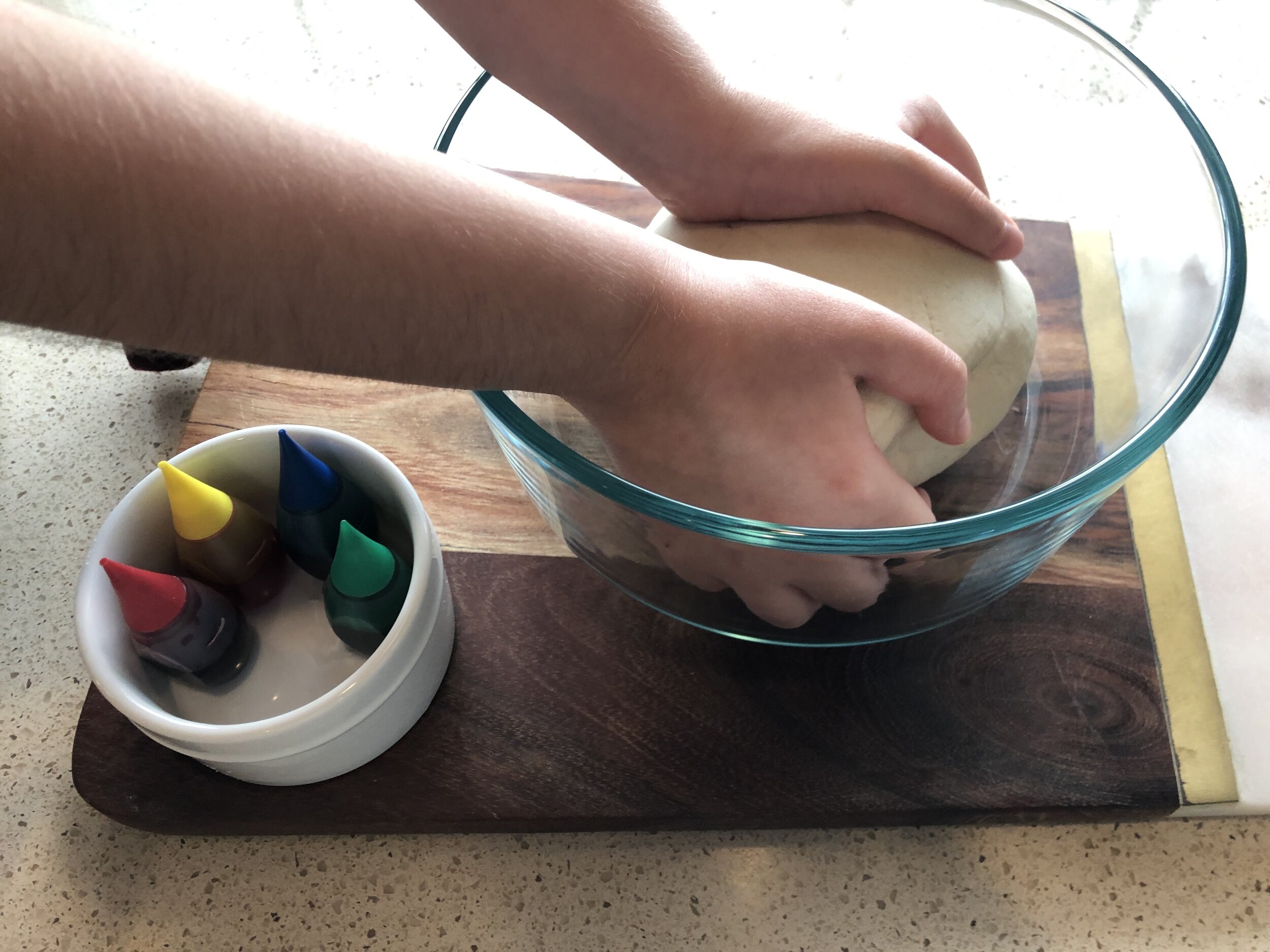
Here is my favorite recipe for homemade play-dough with only 4 simple ingredients.

2 cups flour

1/2 cup salt

2 teaspoons of vegetable oil

1/2-3/4  warm water

Do this: Mix flour and salt in a bowl. Then add the oil and water. If you want, you can add essential oil and/or food coloring.

Have fun with children when making and playing with homemade play-dough.

Lavender scented play-dough

Lavender scented play-dough

Things to Consider as a Result of COVID-19

The vice provost of our university’s digital learning program, Dr. Thomas Cavanagh, wrote on Twitter that one of the lessons he has learned recently from this national experiment in remote teaching is that it is impossible to over-communicate.

I’m reminded of this lesson daily about communication. Effective communication is imperative even though we are physically distant from one another as we move our work to a virtual/remote format. The world has changed so much since the last time I wrote a blog entry. It feels like 327 years ago…but it was only about a month ago on March 1, 2020 when I was writing about bulletin boards.

A global pandemic has changed all of our lives. For me, I’m healthy and safe at home with my family. Yay! I am extremely grateful. The quarantine has been going well. I get to work from home teaching adults who are working on their undergraduate and graduate degrees in Child Development and Early Education. COVID-19 has changed how I interact and teach my students. I’m lucky to have the support and resources of my university to teach online.

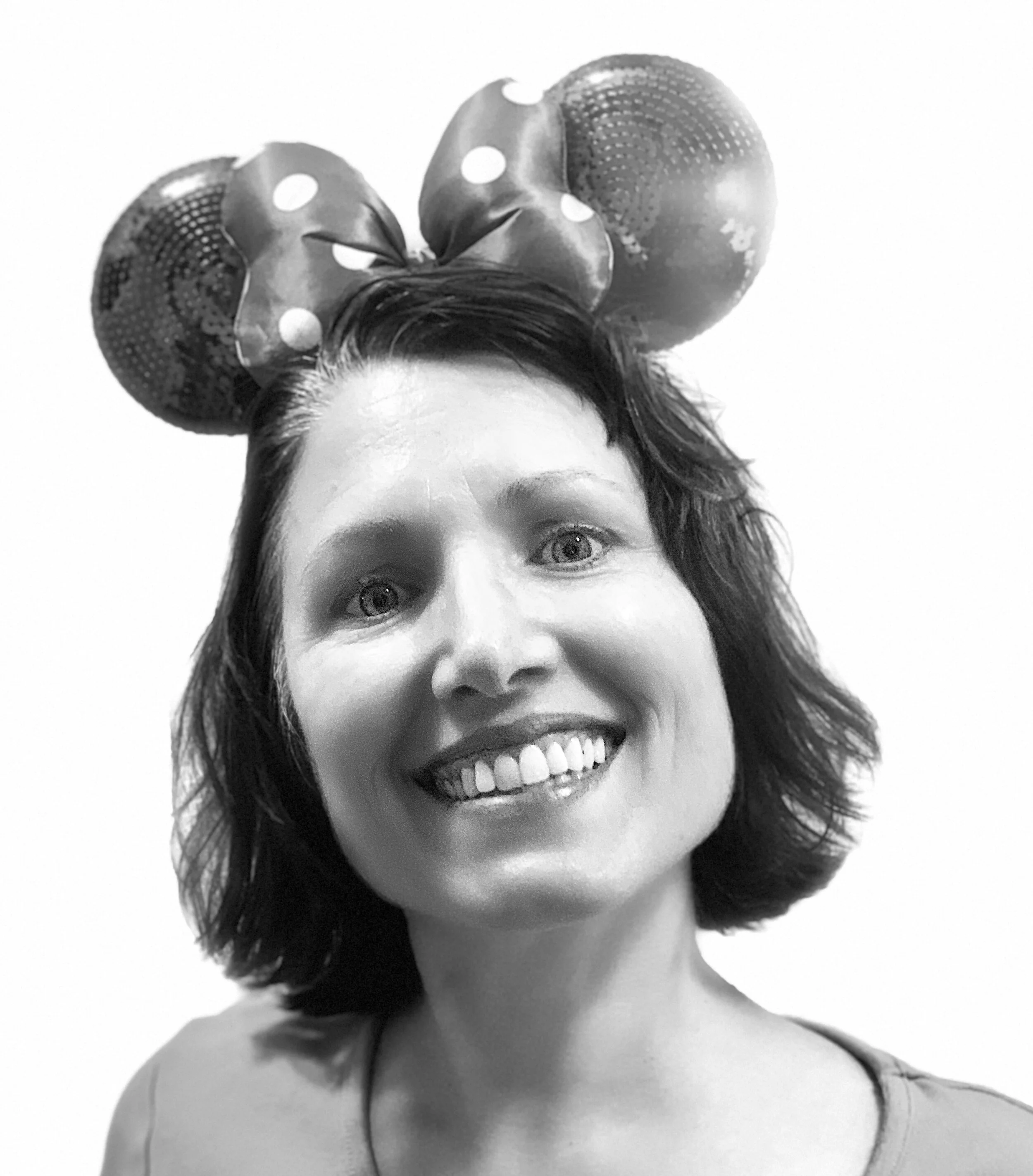
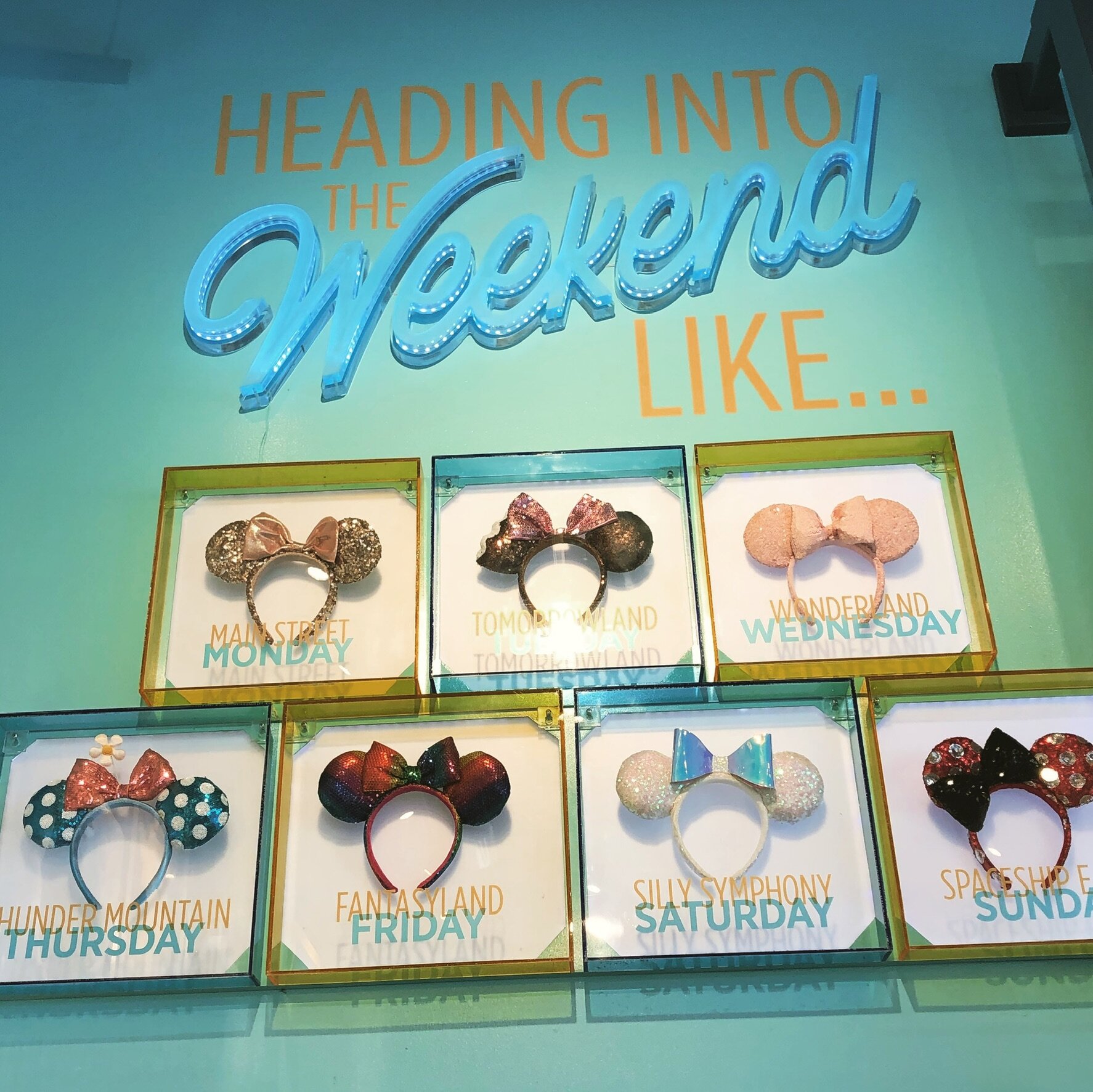
In addition to the physical space, another thing that has changed for me is my work attire. I’ve added a new accessory to my work-from-home wardrobe. Virtual classroom teaching and virtual office hours attire for me now includes mouse ears. Yup, that’s me….

Marisa Macy

Marisa Macy

I love my students and I love Disney so I’ve tried to stay positive by signaling happiness with the way I dress for virtual teaching. Luckily I have several sets of ears between my Disney wardrobe and my family’s wardrobe that they have agreed to share with me. Thank you, fam! Here’s a picture I took a while back at a store in Disney Springs where I shop for mouse ears. I am looking forward to the day I can go back there and shop.

Mouse Ears.jpeg

Another lesson that I’ve learned during this move to a virtual/remote format is how valuable it is to connect with people. Some ways I’ve been staying connected with others is through electronic communication, video conferencing, and phone calls. I haven’t talked this much on the phone since I was a teenager.

This global pandemic has been challenging for everyone. For my college students it has been rough on them in many ways. Students may not have the equipment and/or resources at home to fully function in an online capacity. Many students have had their final field experience disrupted and moved to a virtual/remote format. Several of my students did not even get a chance to say goodbye to the children they had been working with all semester which has been heartbreaking for them. Graduation celebrations have been postponed or canceled. I feel terrible that students may not get to experience the joy of walking across the stage at graduation and shaking our Dean’s hand at commencement. I’m so sorry for these and other things that are being missed out on as a result of the quarantine.

With so many things that have changed as a result of moving to remote/virtual format, we may find ourselves using time differently. Quarantine time may be an opportunity to add some professional activities that were hard to find time for before the global pandemic. I created this list with the help of my spring 2020 practicum students (thank you CB, JC, NF, EK, EP, KT, and JV … you guys have been such a pleasure getting to know better this semester!).

Here are things to consider if you are looking for ways to experience gratitude,  learn, and grow during COVID-19.

1.   Make a smile file. A recipe box with index cards are where I add things that happen I want to remember that make me happy. Here is an example of something that happened to me that is on an index card in my Smile File. What would you add to your file?

2.   Create a parent newsletter.

3.   Develop or revise program/agency handbook.

4.   Find ways to communicate with children and/or parents using other modalities. Learn or work on proficiency in other languages to include sign language.

5.  Create a resource list or binder.

6.  Work on curriculum or curricular enhancements.

7.   Attend virtual meetings, workshops, and/or trainings.

8.  Write reflection paper. Storyboard your ideas and experiences.

9.  Make a virtual bulletin board or design your future spaces.

10. Watch video clips on skills like positive behavior supports and other topics that enrich professional development.

11. Communicate with parents. Share tips and/or activities they can do with their child during quarantine.

12. Collaborate with related specialists (e.g., speech language pathologist, therapists, other), if applicable.

13. Set up a time to check in with others on a regular basis.

14. Participate in webinars that pertain to Early Education. I’ll be doing one on authentic assessment in May for Brookes Publishing. Stay tuned….

15. Make a parent letter/video/song/other of what parents can do at home with their children while they are away from school.

16. Look up different ideas and hands on activities to do with children. Here is an example of an art activity I love to do with my daughter.

17. Research and make program brochure.

18. Learn and use tools to implement developmental activities.

19. Create developmentally appropriate resources for parents to use during the COVID-19 quarantine.

This historical time in our lives is an opportunity for us to grow together. Right before the quarantine, I interviewed Mr. Bill Isler for the Buttercup iTunes show. Mr. Isler ran the Fred Rogers Productions Company and contributed and appears in the Tom Hanks movie about Mr. Rogers entitled, “A Beautiful Day in the Neighborhood” (2019).

Mr. Bill Isler

Mr. Bill Isler

Mr. Isler shared some wonderful stories about his time with Mr. Rogers. One thing Mr. Rogers encouraged children to do is talk about their feelings and look for the helpers. Children and adults could all benefit by remembering kindness during these times and look for ways to not only survive but thrive during this difficult time. We will get through this together. Stay safe, stay connected, and look for the helpers, and/or become a helper. Wishing you good health!  

See ya real soon. Charge on!

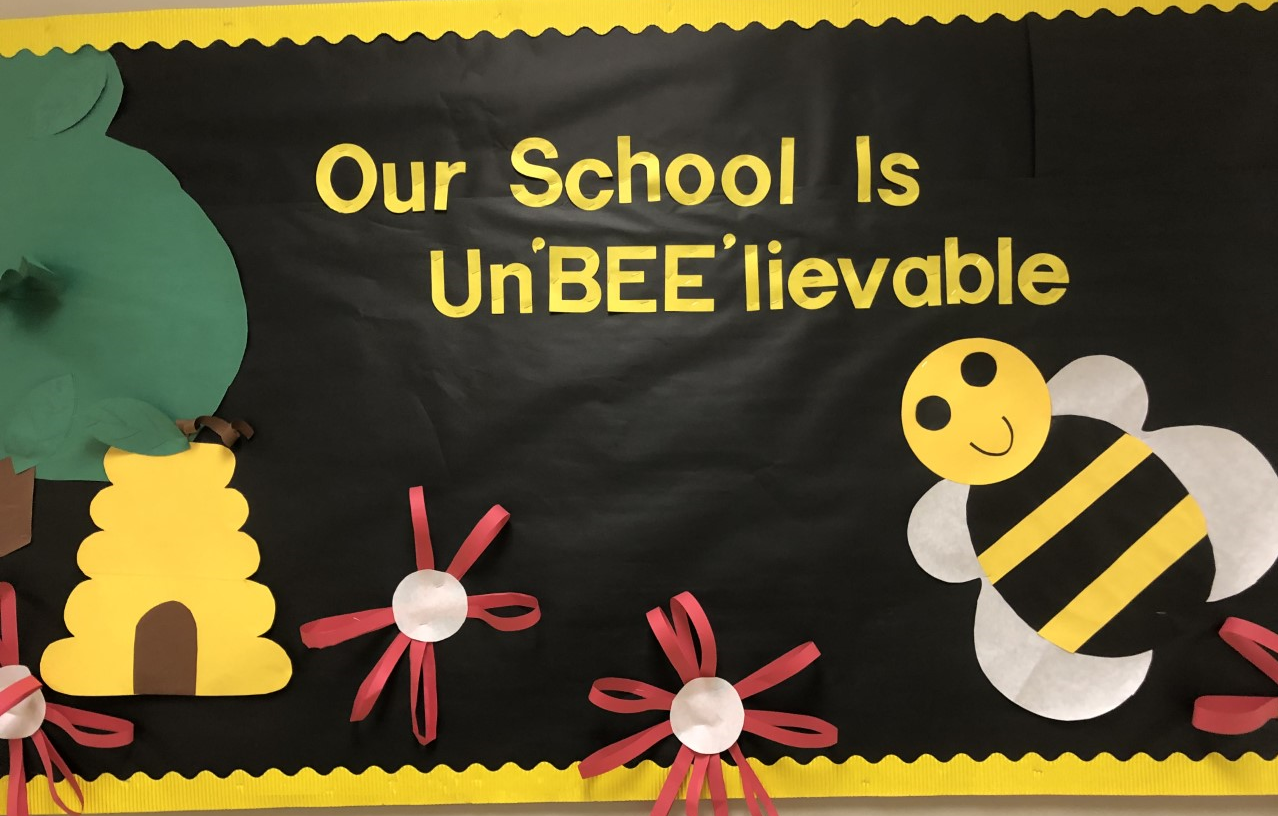
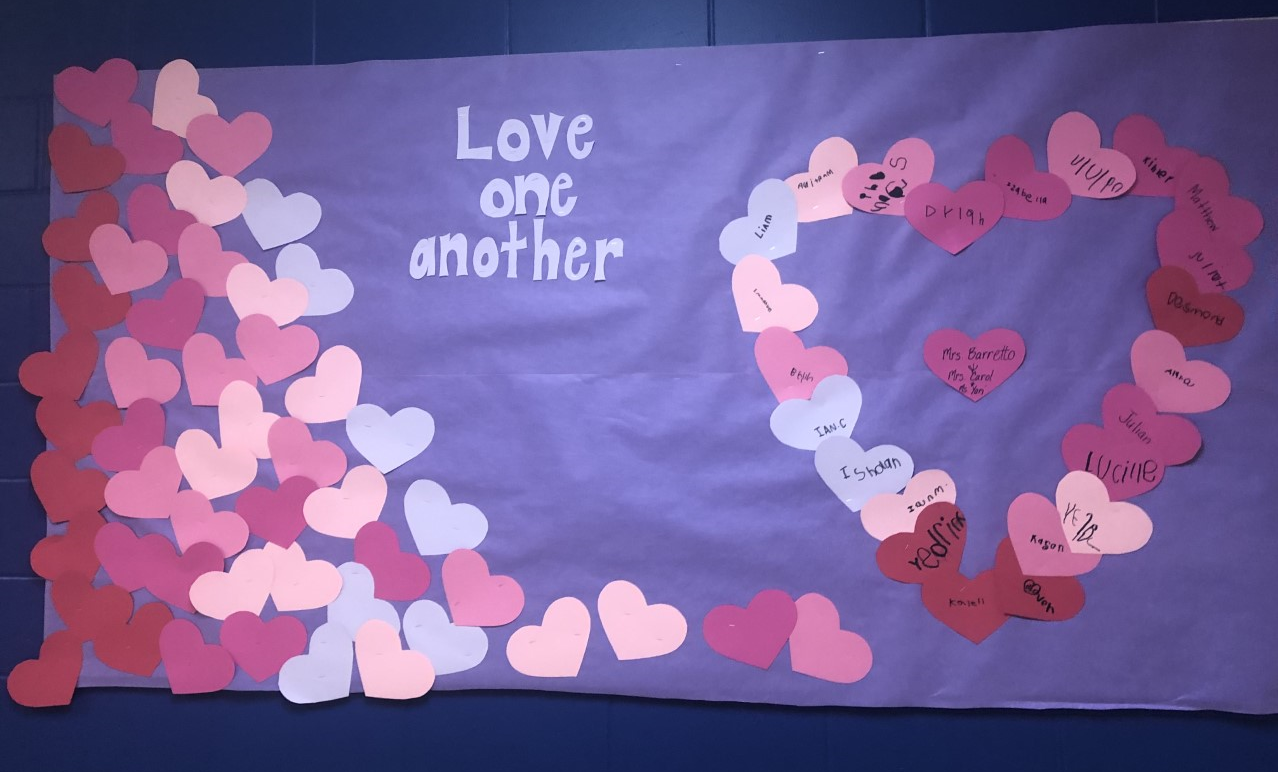
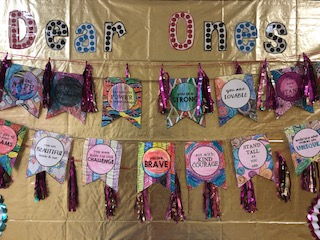
I LOVE Bulletin Boards

I LOVE bulletin boards. There. I said it.

Some people collect objects. I collect pictures of bulletin boards. My students and friends send me pictures of bulletin boards to add to my collection. If you’re reading this and thinking, “Marisa Macy sure is strange” then you are 100% correct, my friend!

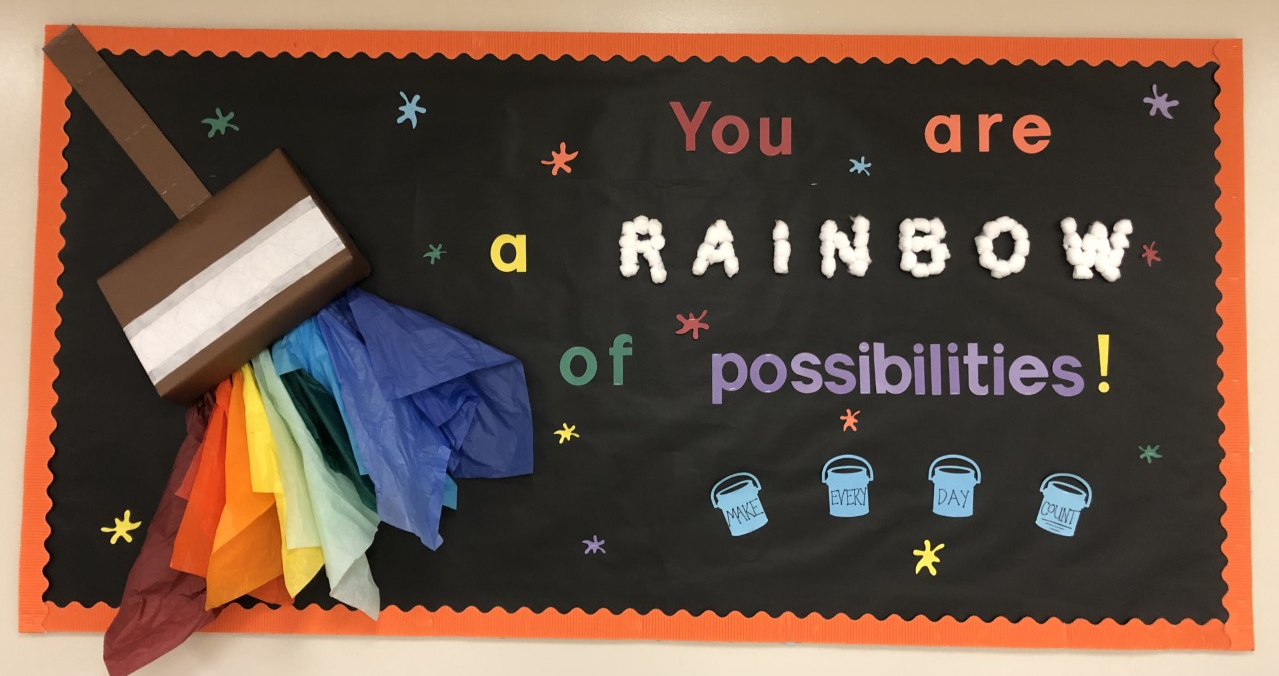
Bulletin boards are more than just the visual version of background noise in a busy school, classroom, hallway, or on a door.  To me bulletin boards are sources of beauty and inspiration. A masterpiece is created with just some paper, scissors, tape, push pins, and glue. Bulletin boards are gorgeous works of art that hang in an educational setting for a short time before they are torn down and replaced with a new one. Unlike Leonardo Da Vinci’s “Mona Lisa” with a permanent placement hanging in the Louvre, bulletin boards are only here for a short time. Maybe that is part of what makes them so special to me…the temporary nature of this art form. Beauty is found in the impermanence.

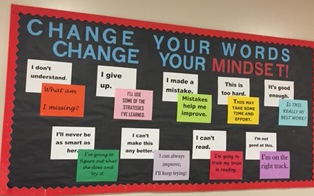
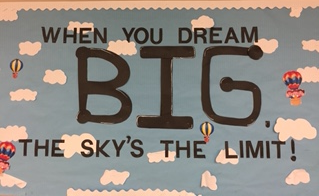
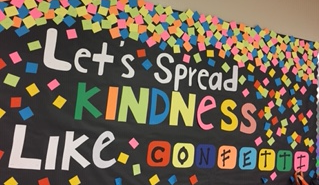
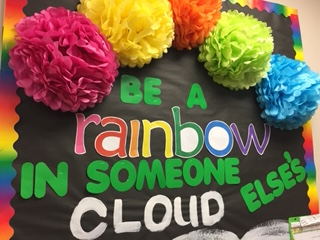
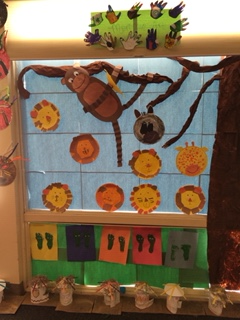
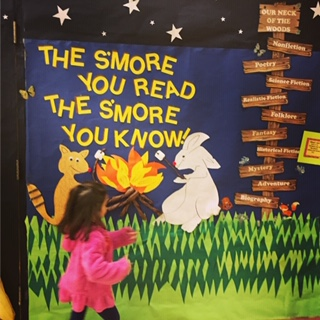
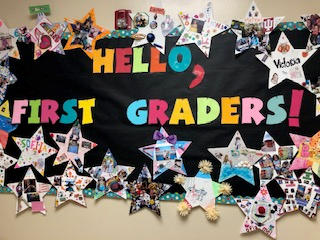
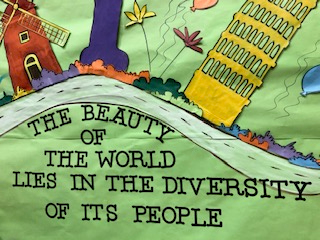
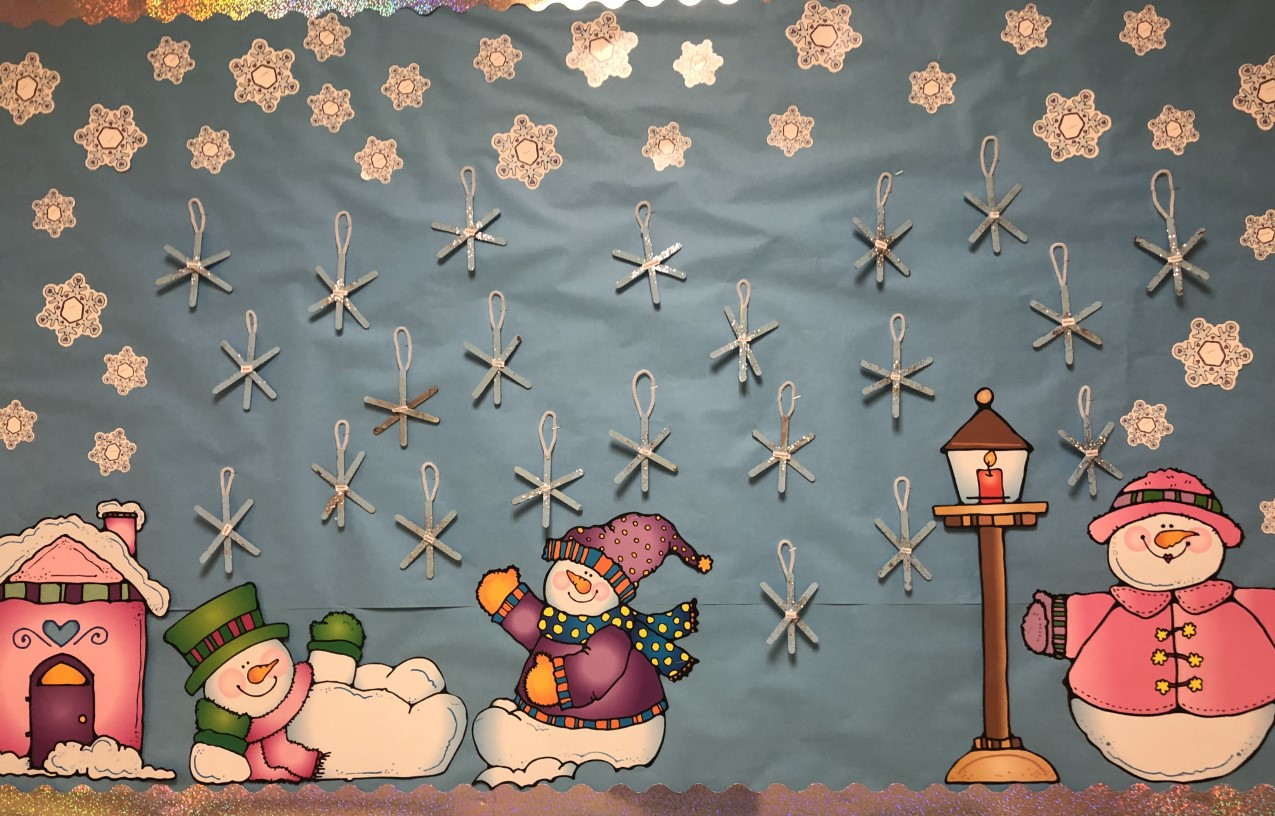
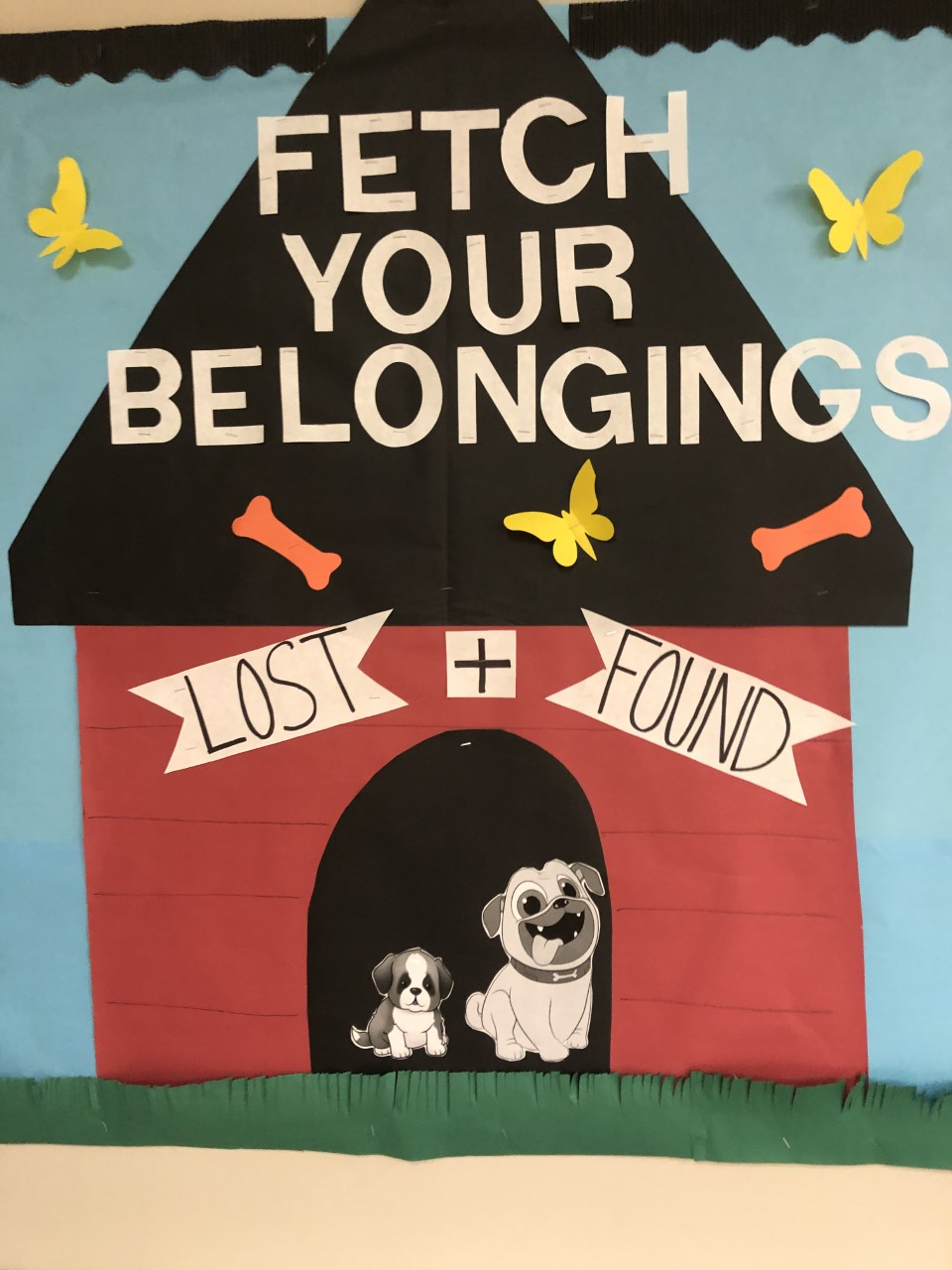
Here are some bulletin boards that I adore. Thank you to these bulletin board artists. Enjoy!

“Parenting is a Participation Sport”

On a recent episode of the Buttercup podcast, my guest Mr. Art Sims said that “parenting is a participation sport.” He was talking about balancing work and life while raising 5 awesome children. Mr. Sims shared how being present in children’s lives matters. Laughter and being present are important in leaving a legacy for children, described Mr. Sims.

I have been thinking about his words, and wondering how to become more present. Being distracted is the enemy of presence. As adults it is easy for us to get distracted with work and other responsibilities.

“Phubbing” is nothing new. Growing up, it was common for me to hear phrases like, “shh, I’m on the phone,” “be quiet kids this is a long distance call from (fill in the blank),” and “I’m trying to talk on the phone here.” We had a phone that was attached to the wall and had a curly cord that made it impossible for my parents to talk on the phone more than 2 feet from the wall. Calls were usually brief because of the discomfort of holding the phone in the crook of one’s neck. “Phubbing” is where someone is snubbed by another with their phone.

Ph (phone) + snub = phub. Phubbing can occur when we focus on phones and ignore the humans in our presence. Today us parents have so many more things we can do with our phones that make it more challenging if we use the smart phone with our children present. I remembered something Mother Teresa of Calcutta said that to change the world, go home and love your family. Parenting is a participation sport where our children thrive on engagement.

IMG_6853.PNG

Do your eyes light up?

Do your eyes light up?

“When a child walks in a room, your child or anybody else’s child, do your eyes light up? That’s what they’re looking for.” ~Toni Morrison

Such a provocative question asked by author Toni Morrison. For those of us who have children in our lives, it is a question that can guide our intentions.

Every morning at my daughter’s school, staff greet all children who enter the school house. It is almost like a receiving line at a wedding but here administrators, staff, and community safety leaders welcome children with smiles, “Good Morning!” & hi fives . Such a wonderful start to the day. Greetings are an important ritual that can create a positive climate. Disney does this too when you step on board the ship to set sail on a cruise. They have a staff that clap when names are announced upon entrance.

Do your eyes light up? Absolutely! We are intentional with showing children we care about them.

Lanterns light up the night in Morocco.


Seize the Play

Play patterns change across childhood. At seven, my daughter plays differently than she did at 3 years old. I wanted to learn more about her ideas on play. Here is an interview I did with her.

 Me: What makes play fun?

Adriana: If you’re smiling, that means you’re having fun.

 Me: Do you need toys or electronics to play?

Adriana: No. I like to play with dirt at recess. But I do like toys and electronics for playing, though.

 Me: What is the best part of play?

Adriana: The part where everybody is happy. Or the part where everything is going wrong and we get a solution for it. 

 Me: How do you know you’re playing?

Adriana: If it is fun. I call spelling fun. Spelling tests are playing for me. Same thing for recess and at home. 

 Me: What do grown-ups need to know about play?

Adriana: They need to know the whole list of games like: hide-n-see, jump rope, hopscotch, hula hooping, hand games, Red Rover, and soccer.

Today, seize the play! Side effects may include: joy, giddiness, and general awesomeness.

DSC_0001.JPG

Innovation in the Sunshine State

Children removed from their parents experience trauma and early attachment is disturbed. Our court system is responding and creating trauma-informed policies for children and families.

I am at the Zero to Three national conference and wanted to share something exciting with you about our state.

Last night at the keynote to kick off the conference, Justice Barbara J. Pariente (FL Supreme Court) and Dr. Mimi Graham (Florida State University) presented info about how Florida is leading the way with building Safe Babies Court Teams. I attached a picture here. Florida is being used as a model for other states. We have 24 early childhood therapeutic problem solving courts across Florida! FANTASTIC!

I am sharing more about this conference on Twitter. Feel free to follow if you're interested @marisa_macy.

Zero to Three Baby Courts.jpg

Give Kids the World

Many people walked by and did not stop to help when a young child was in distress. The little girl was in potential danger all by herself in this big world and campus. K.T. was walking on campus at our university when she noticed the child. The little girl was separated from her Mom when K.T. stopped to ask if she needed help. The little girl said her Mom parked her car in the garage that goes “round and round.” They searched parking garages together. They tried to call home, but no answer. After looking for what might have felt like an eternity, the child and her mother were reunited.

How many times do we look the other way when we might be able to be helpful to someone? It is good that people like K.T.  are willing stop and help. How can we help children?

·       We can give kids the world when we take time to become aware of their needs.

·       We can give kids the world when we show we care about them.

·       We can give kids the world when we help them when they are in danger.

The way she responded is inspirational. Let’s follow K.T.’s model and Give Kids the World.

DSC_0845.JPG

Tips for Practicum

I have the privilege and pleasure of coordinating fieldwork for students in Early Childhood Development and Education at our university. What students do (and in some cases don’t do) before the first week of field placement sets the tone for the rest of the term. I’ve compiled a list of tips to consider.

Prior to Field Work

·       Start communicating with your on-site supervisor and university supervisor as soon as you can. Keep the conversations and communication ongoing. The relationship you create with these two people on your team are important for your success, as well as your future. Contact your On-site Supervisor by phone and email.

·       Have all your required paperwork and clearances in order.

·       Make all arrangements for transportation ahead of time. Get the address and map ready so that you don’t have to fumble on your first day.

·       Go online and learn who the people are at your field placement. 

·       If applicable, do research on your placement. Learn about the mission and goals of the organization. Find out what the expectations and/or rules are ahead of time.. For example, many schools do not allow gum chewing. So you will want to make sure to spit out your Bubble Yum™ before you go. If available, become familiar and read the field placement handbook.

Getting Started

·       Wear your name badge, or other self-identification.

·       Check in and out at the field placement main office. You will most likely be required to sign your name, date, time of arrival and departure, and purpose of your visit. Some schools have you wear a name tag in the building. Ask the office personnel if there is anything you might have forgotten for check in/out procedures. *Remember to follow these important safety precautions. Programs serving young children need to know who is in their building. These procedures are in place to protect children and personnel.

·       Introduce yourself to the office personnel. If possible, ask to introduce yourself to the school principal and/or leadership personnel. Here are a few hints for an introduction (Post, 2004):

o   If you are sitting, rise to greet the person who has entered the room. It is a sign of respect.

o   You may want to shake the person’s hand.

o   Tell them your first and last names. Speak clearly.

o   Address the person by his/her title (e.g., Mr., Ms., or Dr.). It is better to err on the side of formal.

o   Example, “Hello Dr. Smith! my name is Marisa Macy. I am an undergraduate student at the University of Central Florida, and I will be doing my practicum here for the next 15 weeks. My university supervisor will be <fill in the blank> and coming out to observe me during the semester. I look forward to doing my field work here. Thanks for the opportunity.”

·       Find out where you will be spending your time during your field placement. You may also want to find out where the bathroom, exits, and other necessary landmarks are located. Some programs have a map available to guests. Ask for one if you want it.

·       If you drove, determine that where you have parked your car is okay with them. Sometimes, programs have designated parking and/or information about transportation that will be useful to you.

While You Are There

Remember you are a guest at this placement, and a representative of the university. Be polite and respectful. Every interaction you have is an opportunity for you to make a good impression, and apply what you have been learning. Use your best judgment, have fun, and good luck! I hope these tips help you with practicum.

Source:

Post, P. (2004). Emily Post’s etiquette: The definitive guide to manners, completely revised and updated (17th ed.). New York: HarperCollins. 

CCD54A23-B97C-44FE-A013-04CEBFB6F3DE.JPG

Professional Development

by guest blogger Melissa Hogan

Over the past two years, I have researched and studied at one of the finest institutions in our country that offer the Bachelors of Science in Early Childhood Development and Education. My goal was to discover better ways to support early childhood educators, directors, owners and staff. I discovered that this industry is still young in its development (Dr. Sharon Carnahan, Rollins College, 2019, Personal Conversation.) According to NAEYC (2018), the industry is equivocally educated. In my own seventeen plus years, I have found this to be true.

When I first opened a preschool with a popular local franchise, I interviewed applicants with no training, basic forty-five hour trainings, CDAs, and bachelor degrees. In addition to the varying types of education there were the factors of experience, personality, work ethic and professionalism to take into account. My eyes began to open to the fact that each person that I interviewed was valuable and special because they wanted to work with the fastest developing brains in the community, young children. The questions of how to solve this varying educational puzzle began to circle in my head, so I decided to go back to college and earn my doctorate in early childhood.

I am now in the practicum stage of the bachelor’s degree. I have at my practicum placement for one week and already I am applying what I have learned in my coursework at my prestigious college. I am excited to say that there are a whole team of professionals at this placement that are committed to assessing, coaching and supporting ECEs on a daily basis.

Using assessments, I have been given the opportunity to go into the early childhood classrooms and witness how Provider Services Specialists are helping early educators to provide the best teacher-child interactions possible. These teachers have many different educational backgrounds, yes even bachelor degrees, yet still needed the support and guidance of outside sources. This showed me that as the early childhood field strives to get all teachers on an even playing field educationally, the professional development piece is vital because applying all that is learned on an everyday basis can be difficult without the right kind of quality support for all staff involved, including directors.

I am excited to watch the early education field grow and evolve over time, but the biggest take away for me so far has been the value of supporting each other in the field with research-based practices. What we learn in college can be applied, but our education doesn’t stop there. Mentorship, professional development and collaborating with each other on a consistent basis are the keys to providing the best possible start for young children everywhere.

Reference: National Association for the Education of Young Children (2018). DRAFT: Professional Standards and Competencies for Early Childhood Educators. Retrieved from: https://www.naeyc.org/resources/position-statements/draft-professional-standardscompetencies

Message from today’s guest blogger:

My name is Melissa Hogan and the education of young children has been my whole adult life’s work. I knew since I was young that I wanted to be a teacher. I never imagined my passion would include the youngest of children and those that mean to serve them. I have had the honor to be a part of many experiences in the early childhood field including assisting, lead teaching, managing, facilitating community partnerships, and mentoring. It was opening a preschool franchise from the remodel phase to 100% enrollment that I realized my dream of supporting early childhood teachers, their careers and the teacher-child interactions that are vital to any successful early education experience. Motherhood has only strengthened my perspectives of the need for quality early childhood experiences and as I pursue a graduate degree at the University of Central Florida, I am inspired by my own sweet boys daily. I am proud to be a part of an evolving early educational system and hope to implement change for young children globally.

MH picture.jpg

Universal Perspectives

A world class education begins with access to ideas that can transform learners. Higher education must challenge students to reach their full potential. Exploring beyond what students already know to dive into depths beyond the shore of their existing knowledge is the objective of higher education. This semester I went on a quest with our graduate students to learn more about early childhood assessment by hosting an international expert, Dr. Carmen Dionne.

Dr. Dionne shared her ideas and research on early childhood assessment. She brought up so many topics related to the challenges and opportunities we all face as researchers. Faculty in the School of Teacher Education, my Dean and Research Dean, and our talented graduate students in the College of Community Innovation and Education participated in the Research Symposium. Dr. Dionne is Professor at the University of Québec at Trois-Rivières, and she is the sole United Nations Educational, Cultural and Scientific Organization (UNESCO) Chair in Child Development with a focus on screening and assessment of young children. The purpose of the UNESCO program she chairs is to conduct research in early childhood intervention for infants, toddlers, and preschoolers who are at risk for developing a disability or have disabilities.

Thank you to Dr. Dionne for coming all this way to Orlando from Quebec. A BIG thank you goes to the University of Central Florida College of Graduate Studies and UNESCO for sponsoring our research symposium with Dr. Dionne. The research symposium with Dr. Dionne has given us the opportunity to reflect upon ways to improve the world for young children and their families.  Reaching past our direct sphere of influence leads to transformation that comes from learning about the immense world around us and global perspectives.

If you’d like to read more about the UNESCO child development chair, follow this link:

https://oraprdnt.uqtr.uquebec.ca/pls/public/gscw031?owa_no_site=1530&owa_no_fiche=4&owa_bottin=

Save the Date flyer Dr. Dionne March 4 2019.JPG

Communication with Families

This semester in my early childhood assessment class we have a peer coaching program where parental communication is a focus. The university has created a High Impact Practice (HIP) Peer Coaching program that we are using to support college students in their development of effective parental communication around early childhood assessment and assessment practices.

Here are 7 tips for meaningful communication with children's parents when English is not their first language created by María Spinetti who is a Guest Blogger and a HIP Peer Coach.

1) Establish what language is best to communicate. Ask parents if they feel comfortable with English or if they would rather have the message translated. Even though it does not take long to translate an email to the parents, doing so demonstrates a willingness to accommodate their needs and helps them feel supported.

2) Establish what is the best way to communicate. Some cultures prefer face-to-face meetings, while others are more used to emails. Let the parents know how to best contact you.

3) Avoid using acronyms no matter how common you think they are. This can be hard depending on your job, but if the parent is translating the message, the acronym won’t translate.

4) Establish your job title and responsibilities. For jobs such as Child Life Specialist, chances are they have never heard of the position before and don’t know what to expect from you. To establish a healthy relationship, it is important to determine expectations from both ends. This doesn’t have to be long, but explicit enough for parents to understand your role.

5) Be succinct. For non-native English speakers it can be daunting or exhausting to read a very long paragraph in a language that they don’t speak very well.

6) When explaining your degree, a lot can be lost in translation. Some countries don’t have AA degrees or use words like major and minor. Similarly, when translating the word “bachelor’s”, there is a high chance that the new word won’t be accurate. I recommend sticking to more universal words such as university or college.

7) If you will be meeting, determine how you are going to communicate. Whether parents need to bring a translator, or your employer will provide one. Maybe they are comfortable enough speaking in English. Either way, sorting this out will allow them to be prepared for your meeting.

IMG_2215.JPG

Message from today’s guest blogger:

My name is Maria Spinetti, I was born in Venezuela and moved to the United States when I was 18 years old. I’m currently an Early Childhood Education major at the University of Central Florida. Coming from a different culture, I have come to realize how nuances can be difficult to understand and how communication is dictated by cultural practices. Sincerely, Maria Spinetti

Guest Blogger M. Spinetti.png