Curriculum

Music and movement are important parts of an early childhood curriculum. This semester I am teaching a curriculum class. We are discussing ways to support learning and development through curriculum. Content areas like music and movement are part of the curriculum in early childhood education. The creative arts is a language for children to express themselves (Macy et al., 2017). Young children respond to opportunities to move and participate in musical adventures as discussed with Dr. Timothy Askew on episode 48 of the BUTTERCUP podcast.

Dr. Askew shared why it is important to take children on location where music and the arts are celebrated. For example, concerts can inspire children and adults alike. Going on location expands ideas. Field trips can create new ways of thinking.

One of the things I love about about the place is that in the heart of Reggio Emilia there is an opera house. If you are in the neighborhood on a Saturday morning, it is worth your time to go on the one-hour tour of Il Teatro Valli. Gain inspiration for ways to include music with children. Share different types of music that could also include opera, classical, jazz, and more. Children with and without disabilities benefit from opportunities for an enriching curriculum (Landini & Macy, 2025; Regalla et al., 2024).
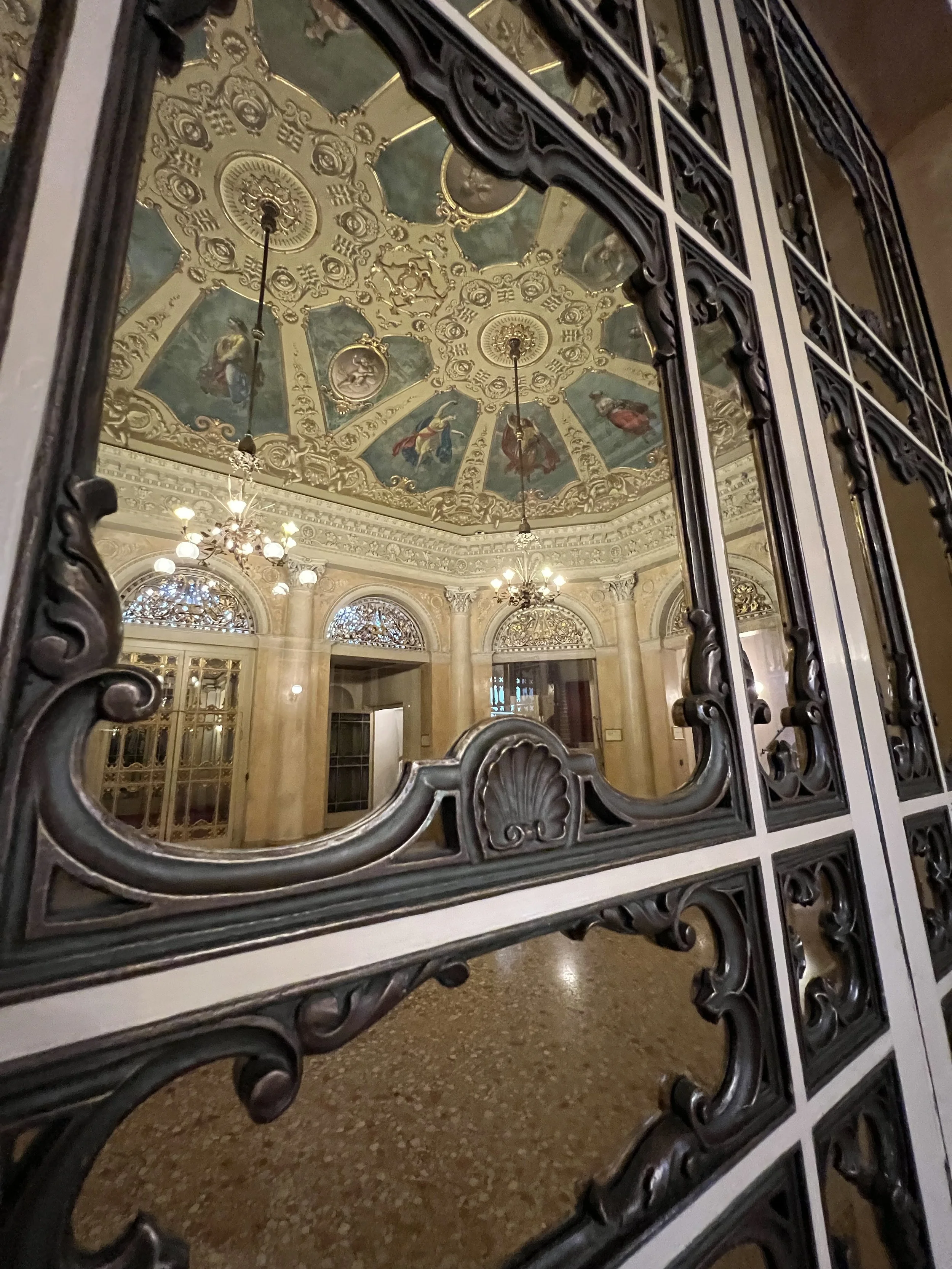
From the lobby of Il Teatro Valli in Reggio Emilia, Italy.
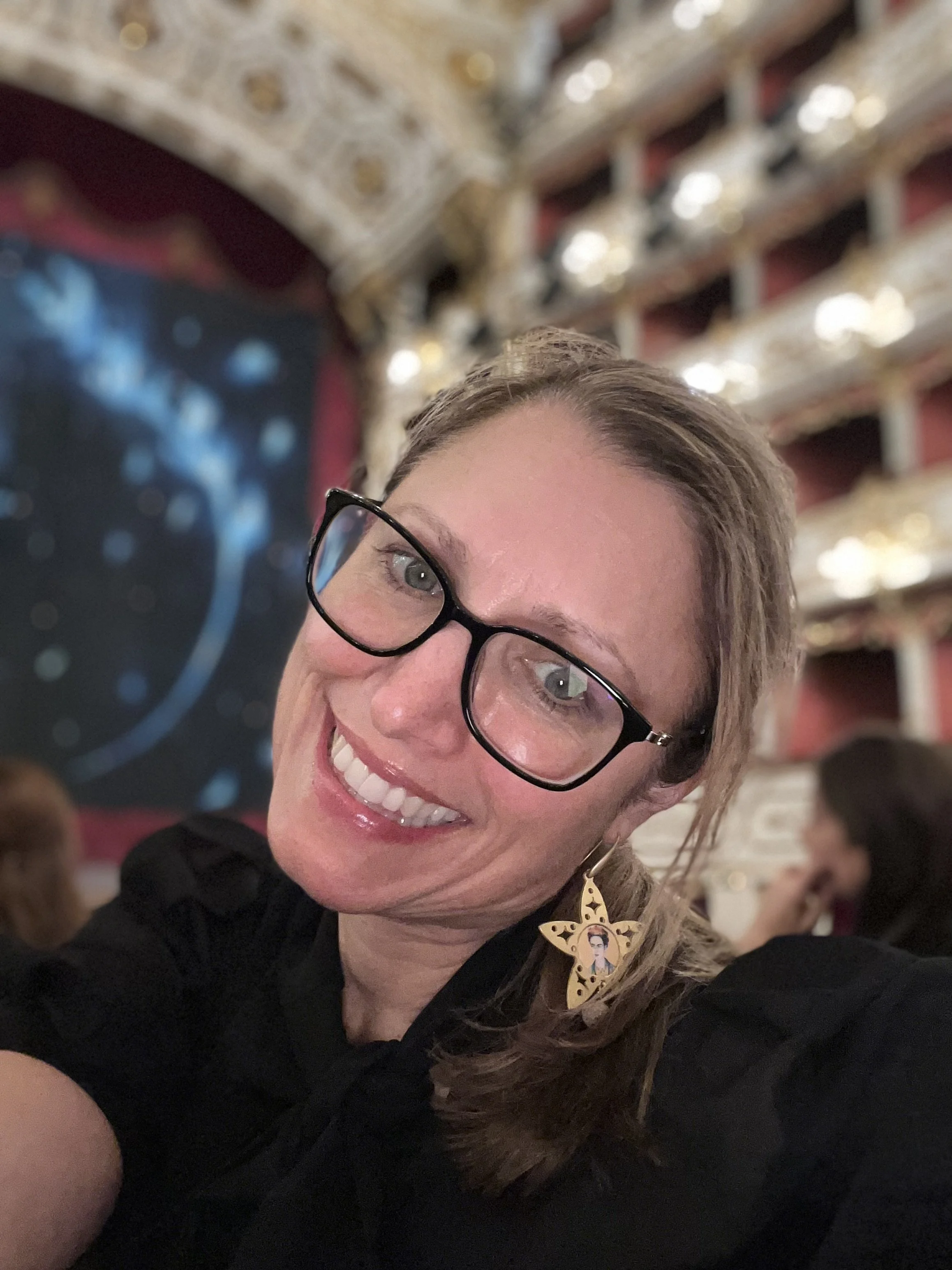
Taking a selfie in the Reggio Emilia opera house.

The magnifico ceiling at Il Teatro Valli.
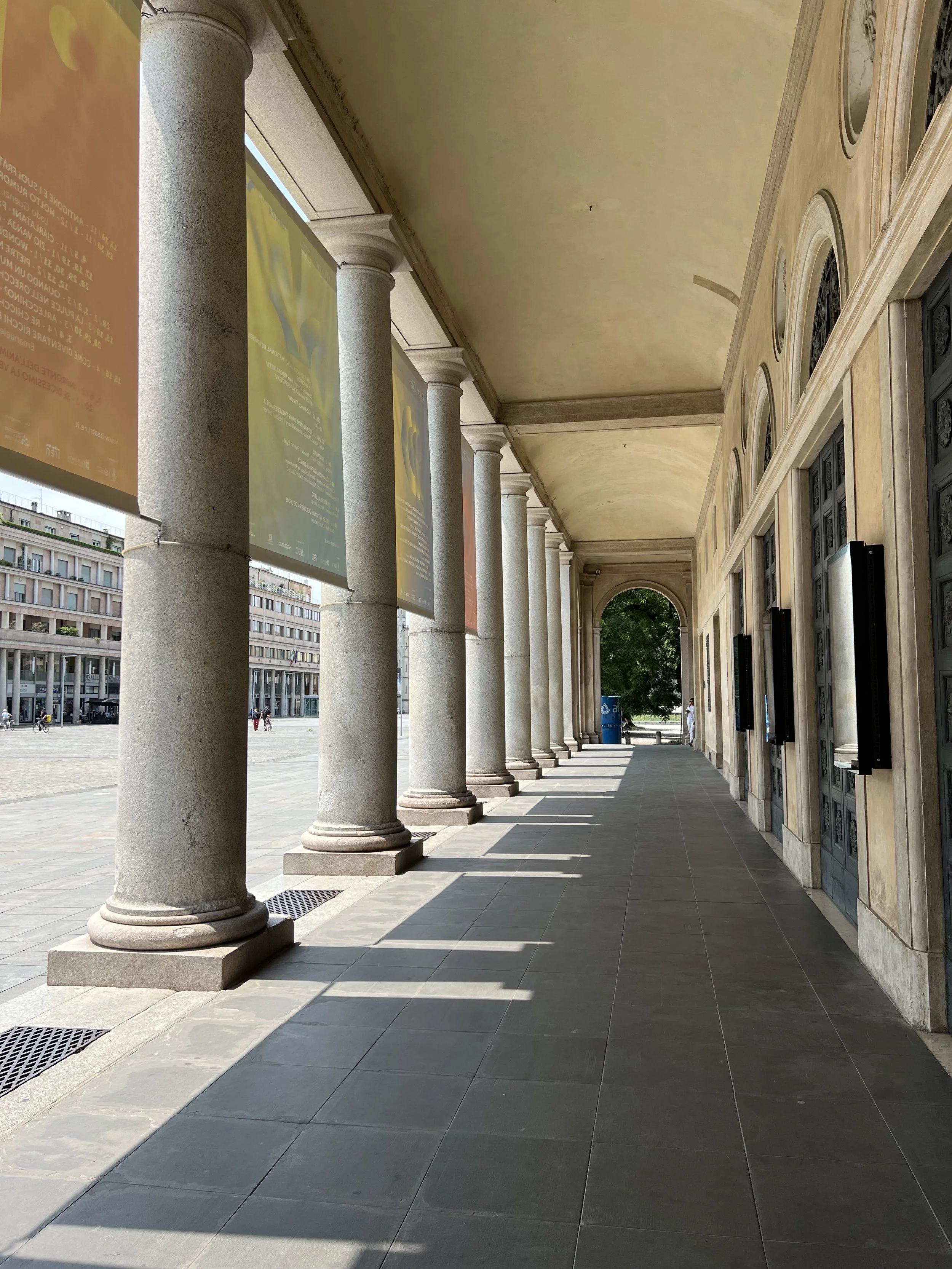
Il Teatro Valli entrance faces piazza with fountains.

Our tour guide explaining the stage at Il Teatro Valli.
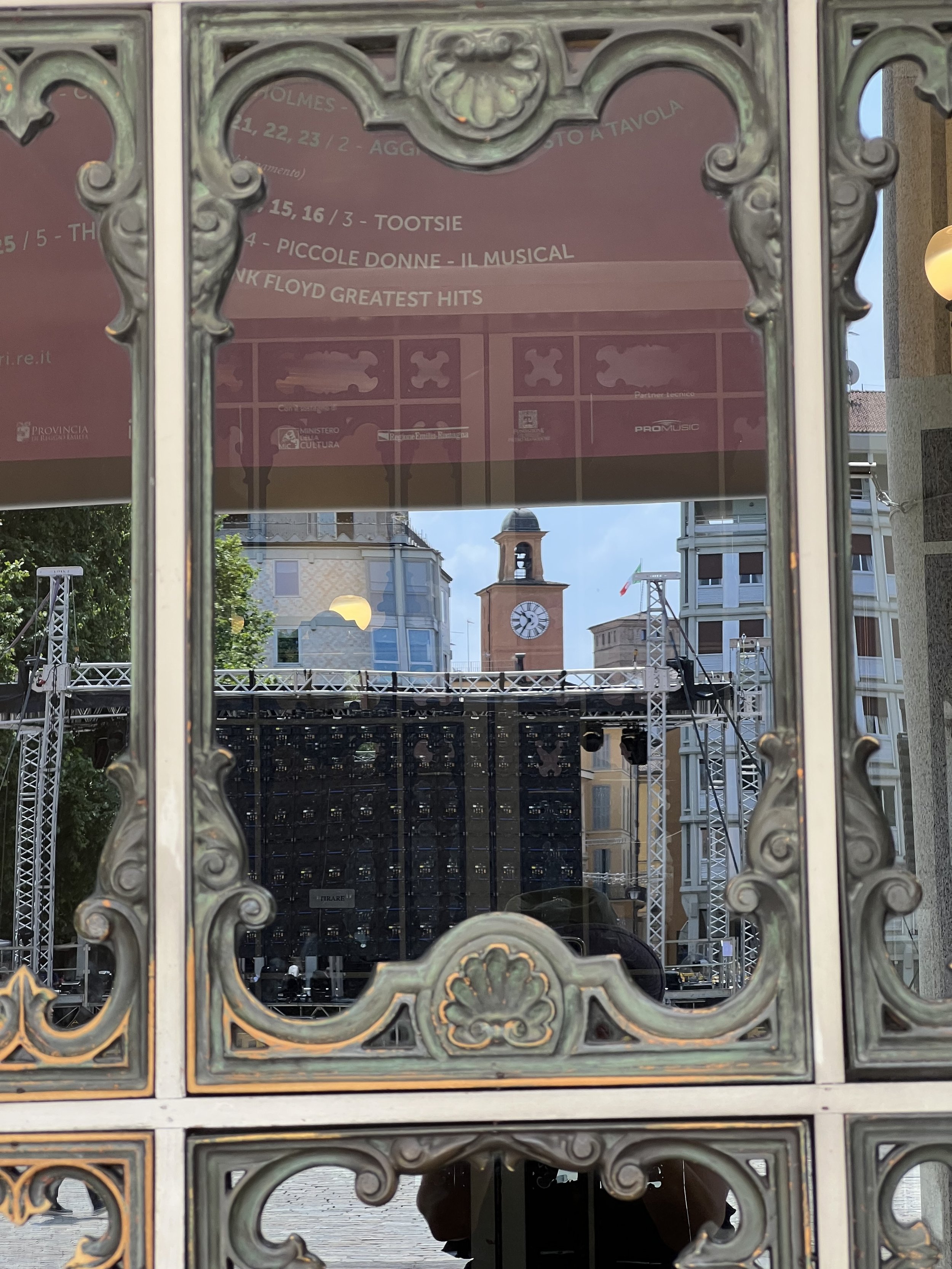
Reflection of the Reggio Emilia clock and bell tower from the doors of Il Teatro Valli.
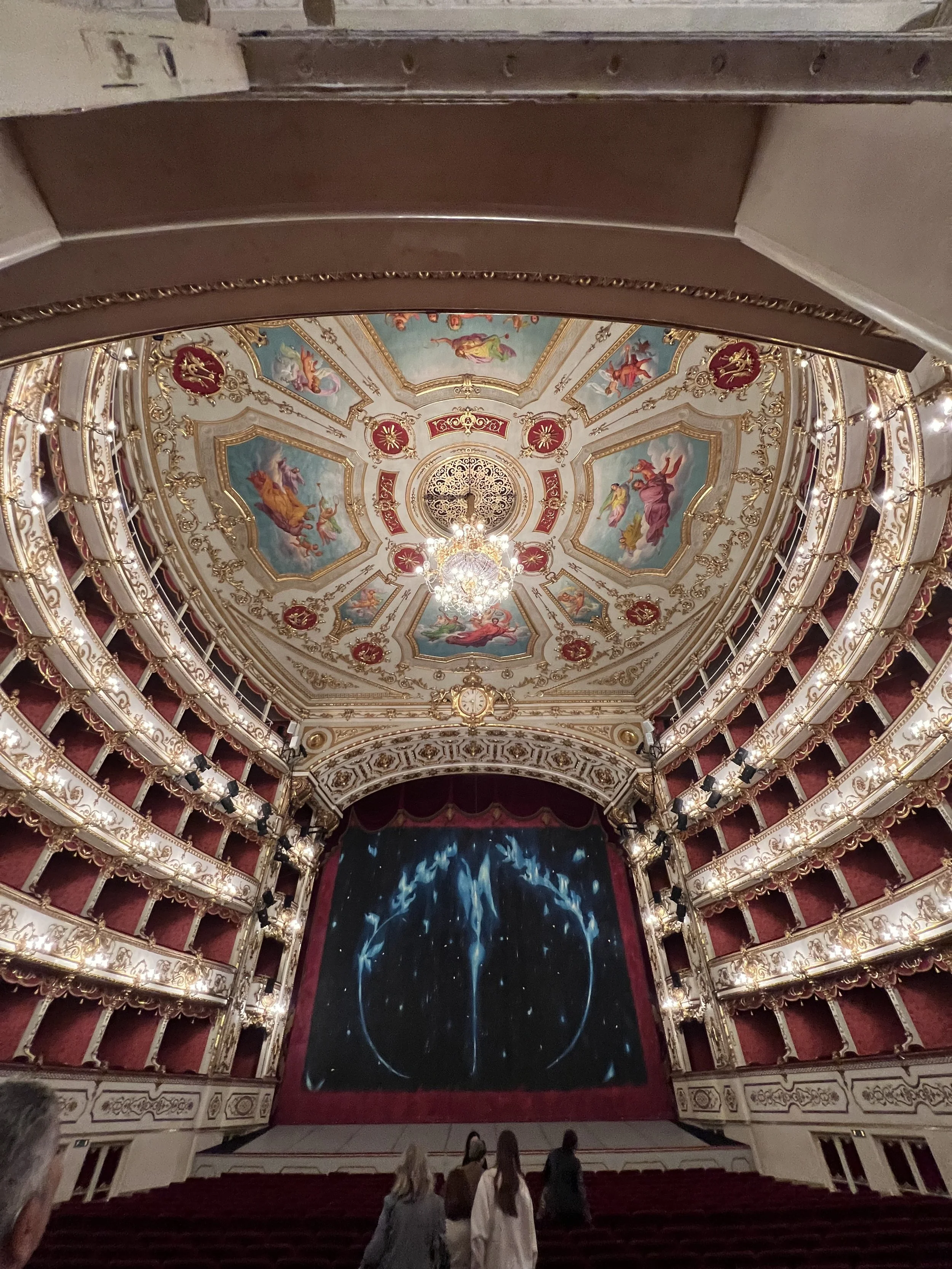
View of the stage from an entrance to the theatre.
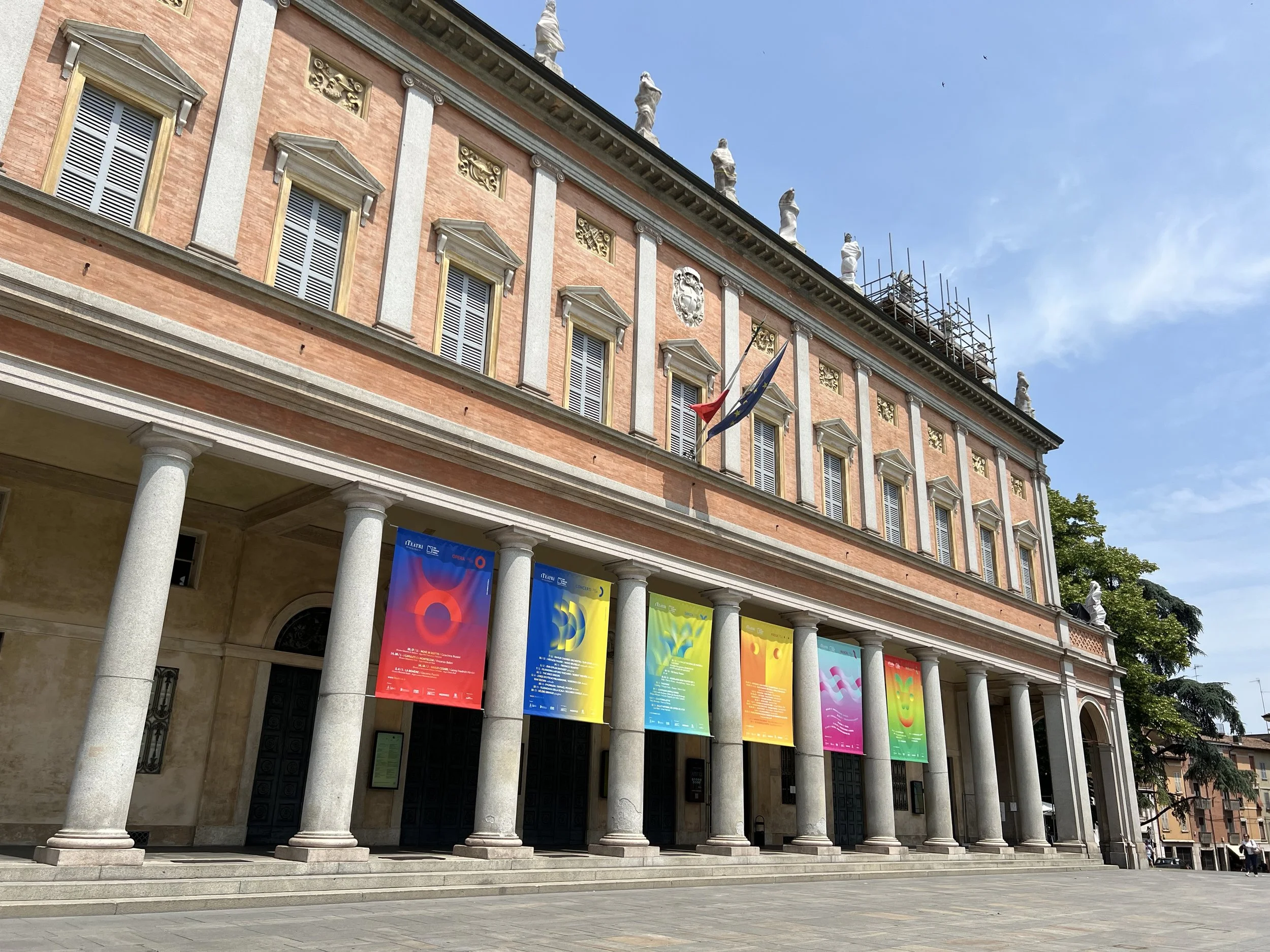
Il Teatro Valli in Reggio Emilia, Italia.
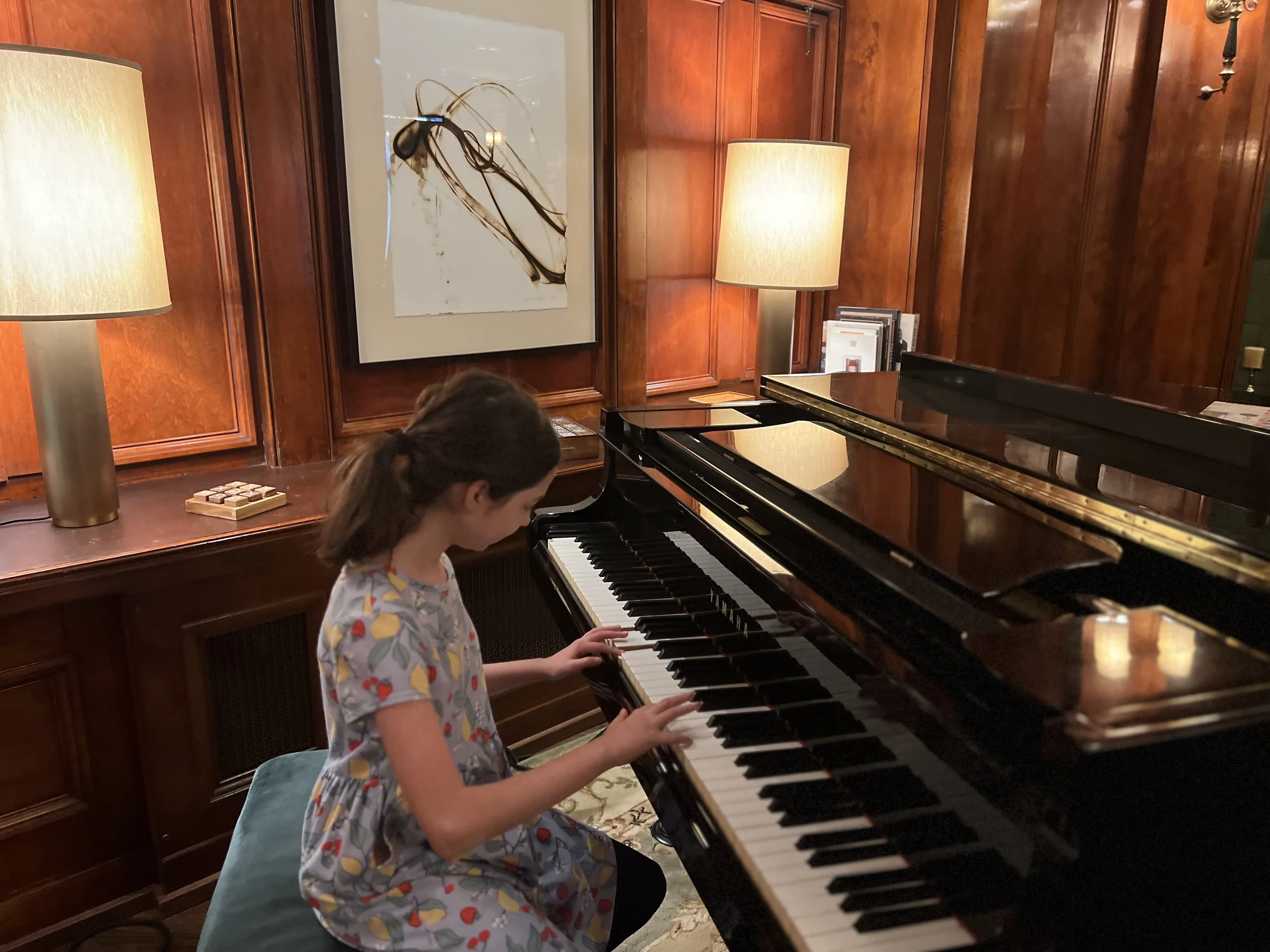
My daughter painting the air with beautiful sounds of music.

References

Landini, A. & Macy, M. (2025). Early childhood inclusion in Italy. Infants and Young Children: An Interdisciplinary Journal of Special Care Practices, 38(4), 322-333. https://doi.org/10.1097/IYC.0000000000000302

Macy, M. (Host). (2022, September 1). Lift Every Voice and Sing with Dr. Timothy Almon Askew [Podcast]. BUTTERCUP https://youtu.be/lyprCD30VGs?si=4uAUY9D26cB1xjY4  

Macy, M., Zhang, B., Ji, Y., & Macy, R. (2017). Authentic assessment to measure outcomes in creative arts. NHSA Dialog: Research-to-Practice for the Early Education Field, 20(1), 83-95. https://doi.org/10.55370/hsdialog.v20i1.748

Regalla, M., Peker, H., & Macy, M. (2024). An examination of an inclusive French immersion program and preschoolers’ executive functioning skills. Foreign Language Annals (of the American Council on the Teaching of Foreign Languages) Foreign Language Annals (of the American Council on the Teaching of Foreign Languages), 57, 1000-1025.  https://doi:10.1111/flan.12773

Crafternoon: Bath Bombs

Looking for something to do with children during spring break. Try a craft and whip up some bath bombs during crafternoon. Bath bombs are easier to make than you would think.

 With four ingredients, you and your child(ren) can make bath bombs. Take the ingredients below and mix them in a bowl. Then get a mold and shape the ingredients into a ball. That is it.

 Supervise children at all times. Wear gloves. Follow safety considerations for children. This activity may need to be adjusted depending on the child’s age and/or ability.

 Next time your children are bored, make some special bath bombs and memories.

 Ingredients:

¼ Cup             Cornstarch  

2 ¼ Cups       Baking Soda

¾ Cup            Coconut, Canola, Sweet Almond, or Other

1 ¼ Cups       Granular Citric Acid (look for this in the canning section of grocery store)

1 Teaspoon  Essential oil or fragrance (optional)

½ Teaspoon Liquid Color (optional)


You Can Do It!

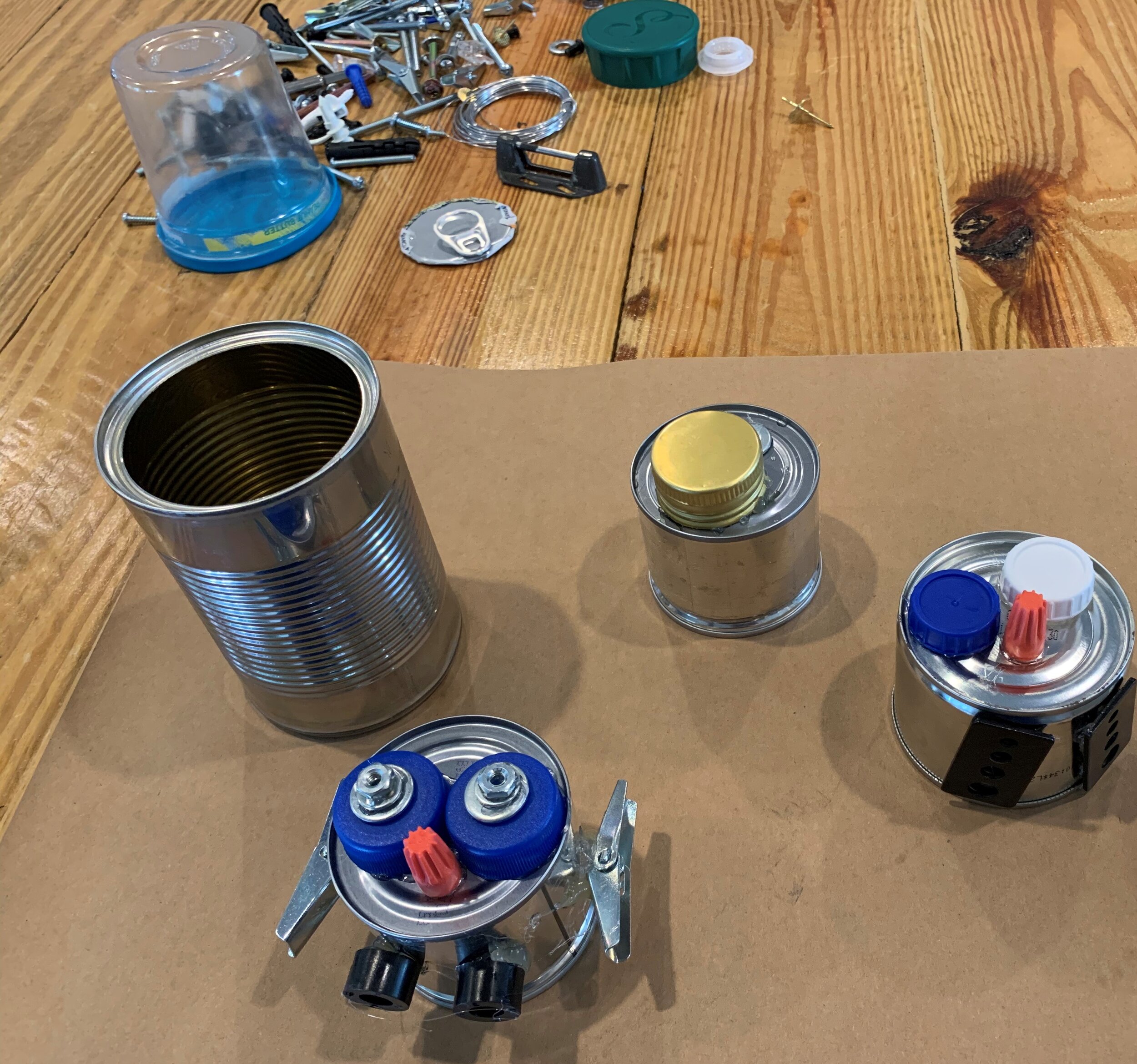
Create some art for home with our little ones. With families spending more time at home, here is an activity to do with children using recycled tin cans depending on the child’s age and/or developmental abilities.

Make animals from cans. Here my little one and I cleaned out our junk drawer and got things to glue on the cans to make owls. Be sure to set the activity up for safety and supervise children at all times. Can you have fun repurposing tin can. Yes! Yes, you CAN do it!

recycled can art.jpeg

Small Moments, Big Memories!

“Great things are done by a series of small things brought together.” ~Vincent Van Gogh

Marisa Macy.jpeg

I love the above quote by post-impressionist painter, Vincent Van Gogh. It reminds me that great things come from small beginnings. To me, I feel like Van Gogh was talking about the importance of tiny, little, miniature moments. Small things and moments that are brought together can make a big difference. It is the daily activities and routines that can have a meaningful impact on a child’s overall development. 

When I was little, mealtime routines were a big event at my home and school. Every night my family sat around the table to eat dinner together. At school, we sat at our desks during lunch time. Tucked into my 1970s Donny & Marie Osmond lunchbox was evidence of my mother’s love when I was at school. I was so proud of that lunchbox. A former cool whip container held homemade pasta and meatballs, piece of fruit, spoon, and washcloth. It wasn’t until some of the girls in my class made fun of my food that I became self-conscious about what was in my lunchbox. I started to feel embarrassed by the ethnic food my Italian family sent me to school with and the recycled vessels like cool whip containers and butter tubs. Today I feel embarrassed that I was embarrassed by my school lunch. I remember feeling like I wanted to fit in with the other kids and have a lunch of peanut butter and jelly on plain Wonder bread. When I became a teacher, I tried to help my students feel proud of their heritage and culture. It is who we are.

If you celebrate Valentine’s Day, I have an activity you can do that celebrates reusing and recycling common household objects (like my parents did with cool whip and butter tub containers). Take a container that holds plastic or aluminum wrap. Remove the contents and the jagged edge that cuts the wrap/film or aluminum. This should leave your box smooth and safe to now decorate to your hearts content. In this picture you can see we painted the box and added wallpaper to the top lid. You and your children can create yours any way you like. Play with creativity. Once you have your box beautifully decorated, fill it with a yummy treat. We rolled Oreo cookies in frosting and sprinkles.

box of cookies.jpeg

What would Van Gogh do? I think he would create lasting things. We can too. Create lasting memories out of the common daily activities and objects. During the pandemic many parents are looking for things to do with their little ones because we are spending so much more time together at home. Give children a scavenger hunt and have them find objects around the house that can be repurposed to create a Valentine’s gift ala the box of goodies. Reuse and recycle household object(s) to create beautiful artistic gifts for your loved ones. You can turn the small moment into a big memory for your child. Happy Valentine’s Day!

Valentine cookies 2.jpeg

Salt Dough Ornament

Looking for something fun to do with the amazing children in your life. How about a fun craft?! I recently made salt dough ornaments with my little one. Here is what we did.

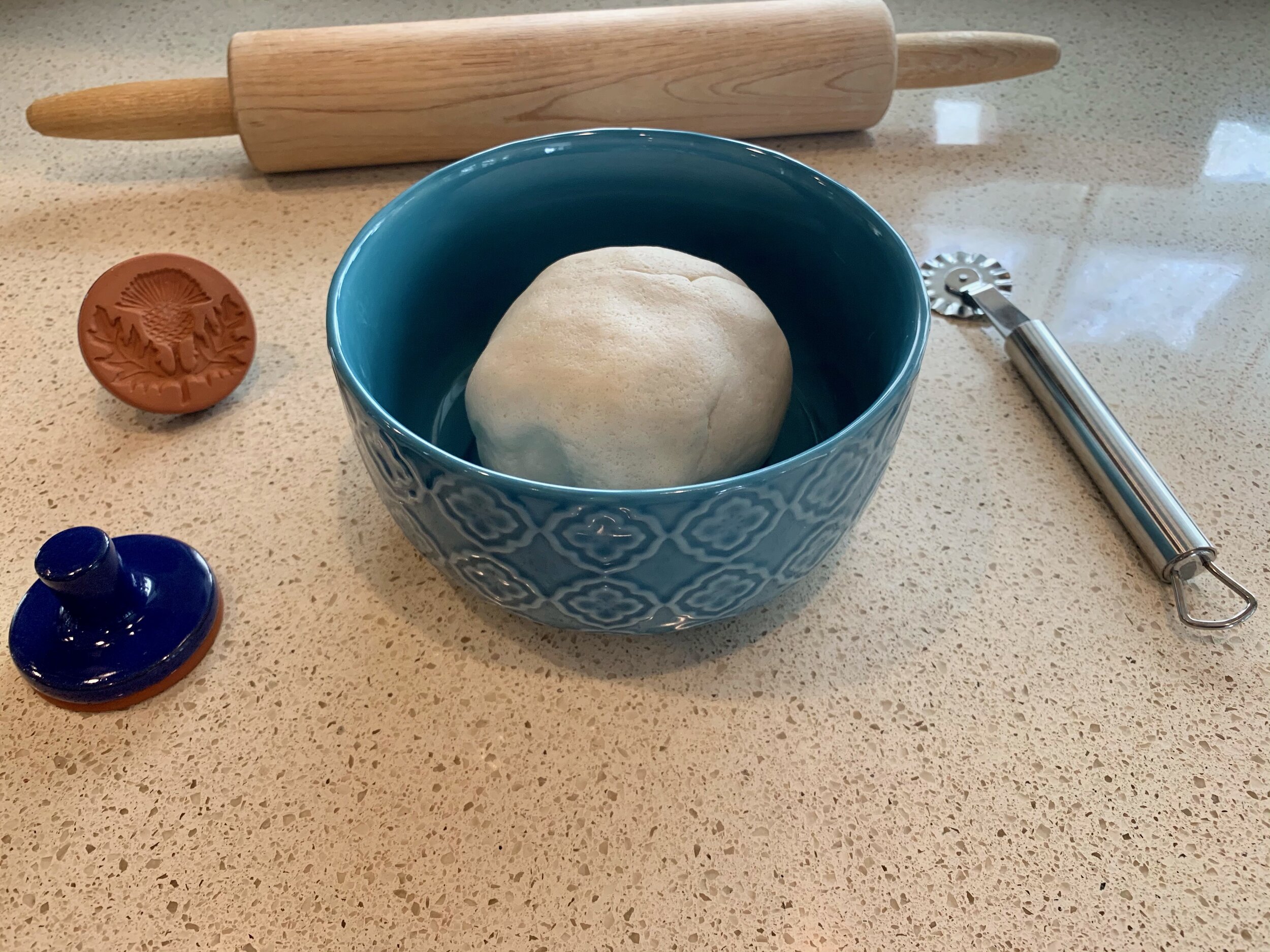
First, we made the dough (recipe below).

Salt Dough .jpeg

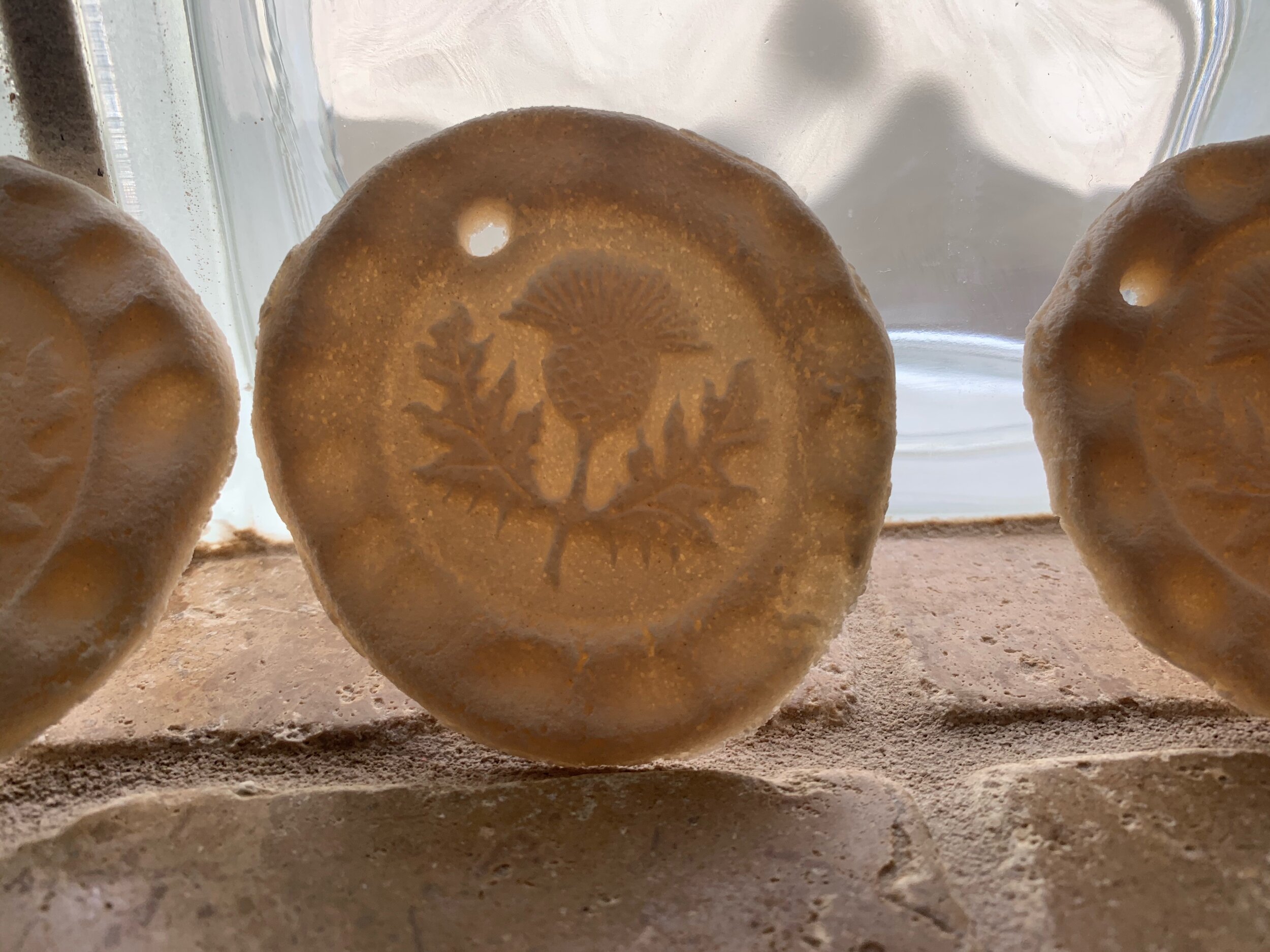
Second, we shaped the dough into creative shapes. We used cookie cutters, ravioli wheel cutter, and our fingers and hands. If you want to capture your little ones’ feet and hands this makes a great keepsake.

Thistle Salt Dough Ornament.jpeg

Third, we baked the ornaments on low heat for several hours (oven at 250 for about 2 hours).  Then we let the baked ornaments rest on the kitchen countertop overnight.

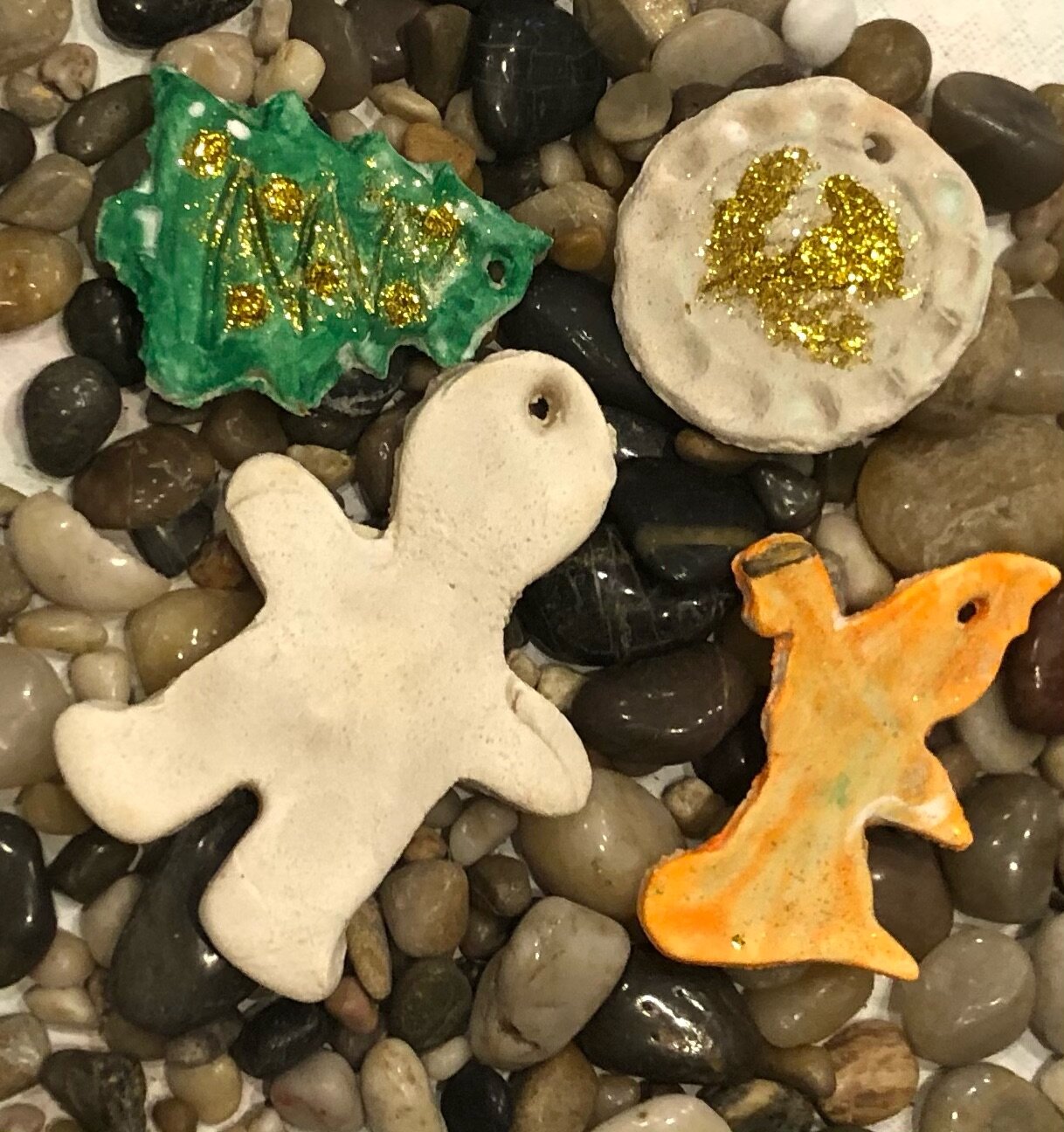
Fourth, the next day we decorated our homemade salt dough ornaments. You can use a glue/water glaze or Modge Podge to preserve your art.

Ornaments.jpeg

Wishing you the joy of the season with time spent with family and children.

Love,

Marisa


Salt Dough Recipe

2 cups all purpose flour

1 cup of salt

1 cup of water

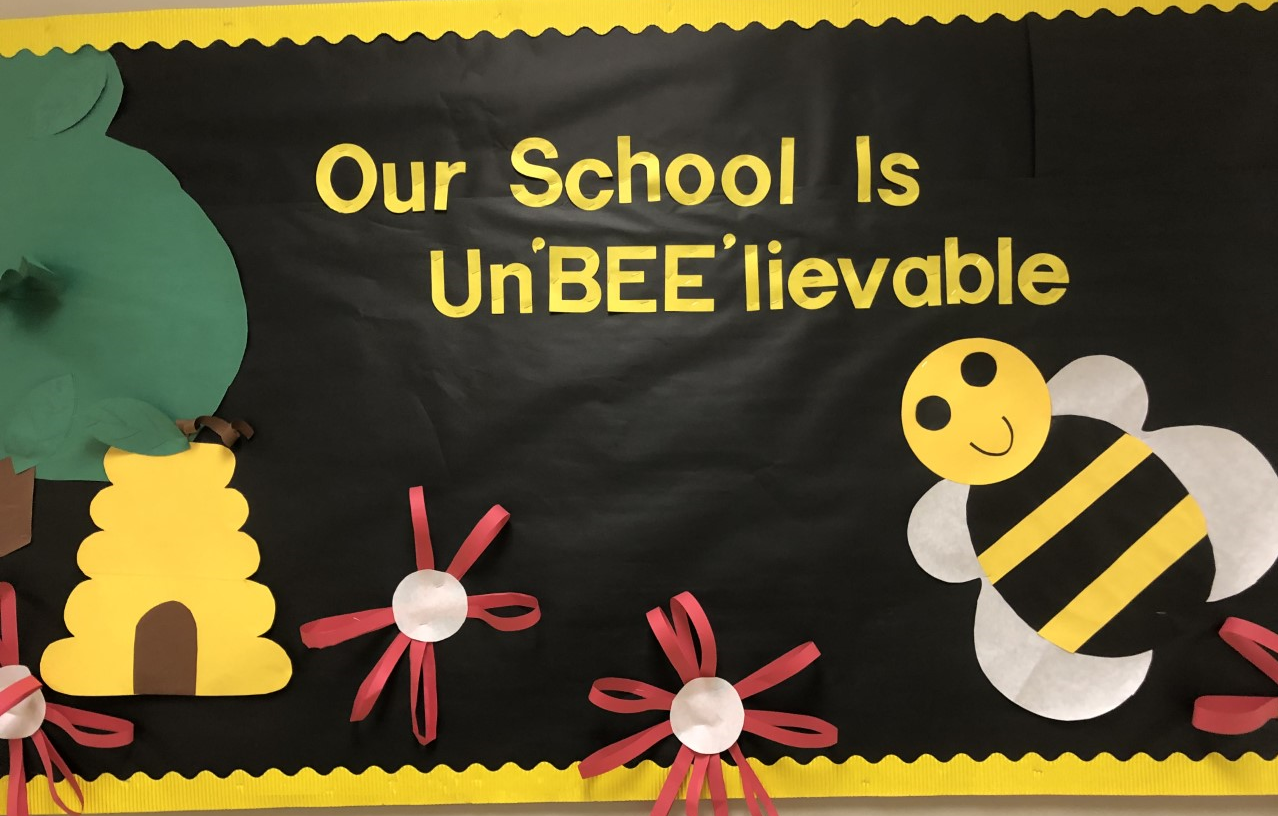
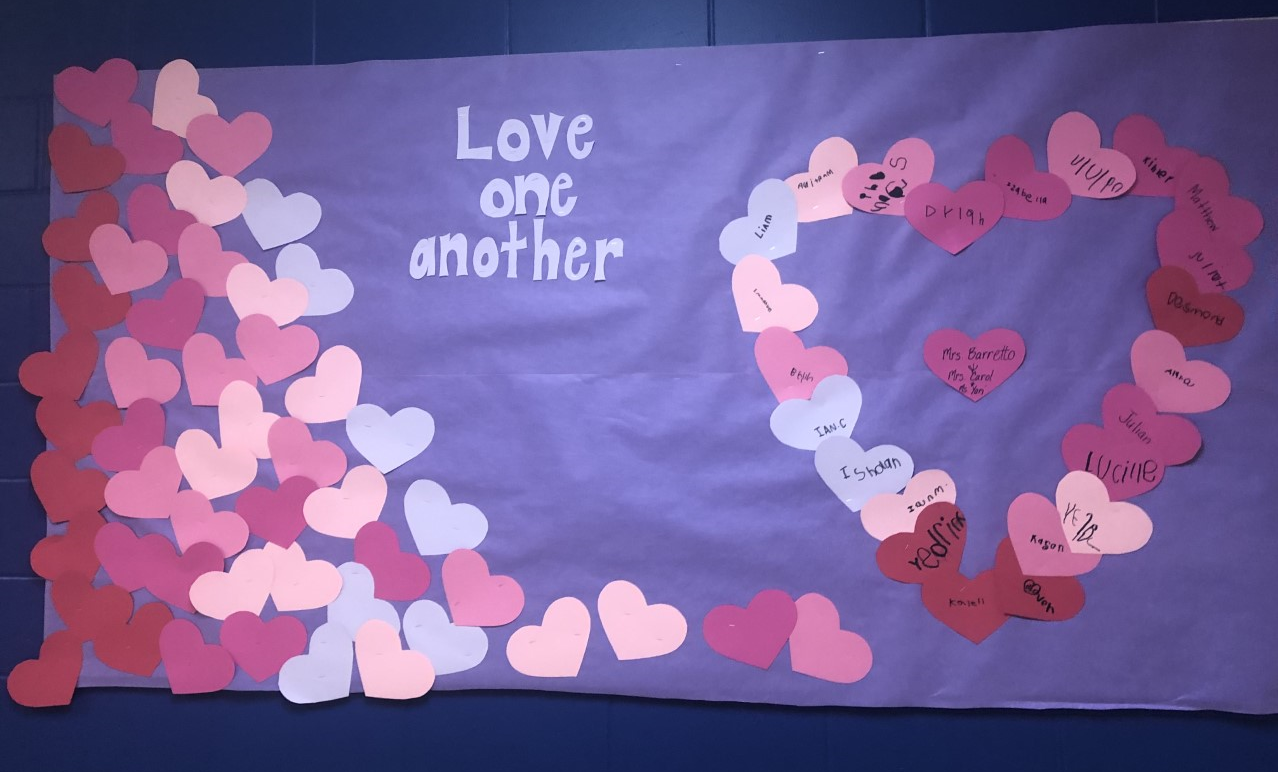
I LOVE Bulletin Boards

I LOVE bulletin boards. There. I said it.

Some people collect objects. I collect pictures of bulletin boards. My students and friends send me pictures of bulletin boards to add to my collection. If you’re reading this and thinking, “Marisa Macy sure is strange” then you are 100% correct, my friend!

Bulletin boards are more than just the visual version of background noise in a busy school, classroom, hallway, or on a door.  To me bulletin boards are sources of beauty and inspiration. A masterpiece is created with just some paper, scissors, tape, push pins, and glue. Bulletin boards are gorgeous works of art that hang in an educational setting for a short time before they are torn down and replaced with a new one. Unlike Leonardo Da Vinci’s “Mona Lisa” with a permanent placement hanging in the Louvre, bulletin boards are only here for a short time. Maybe that is part of what makes them so special to me…the temporary nature of this art form. Beauty is found in the impermanence.

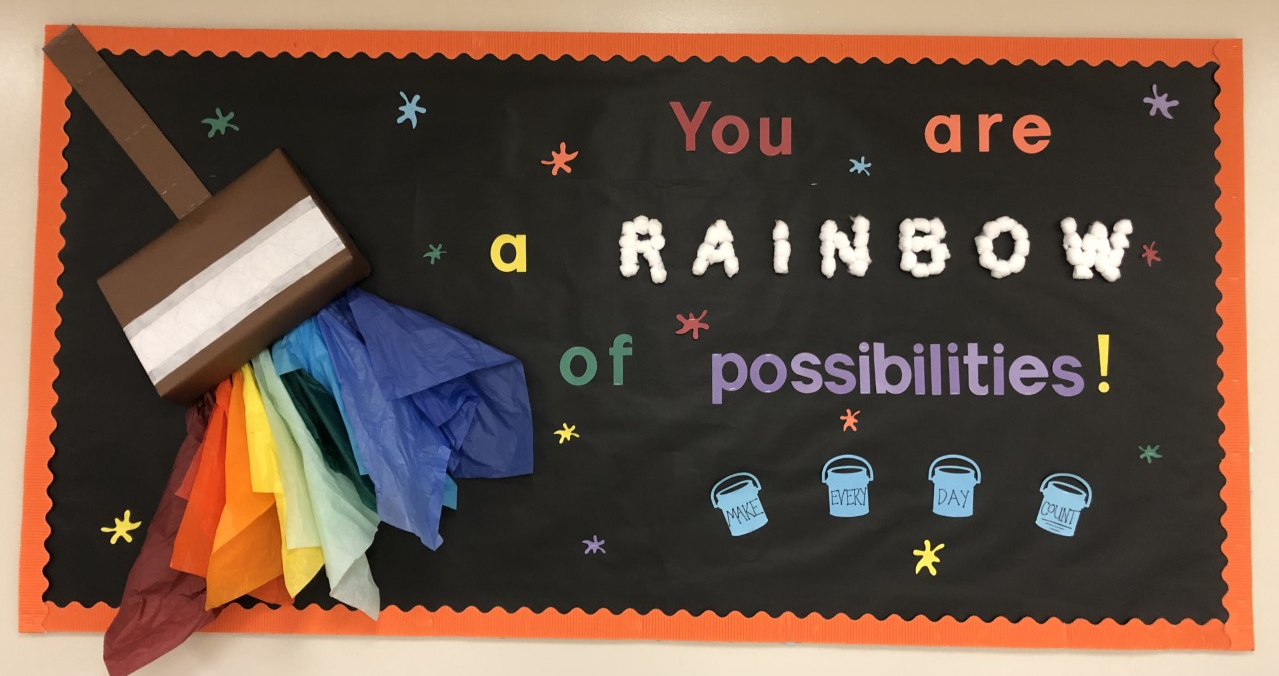
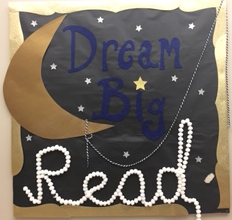
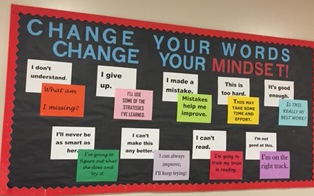
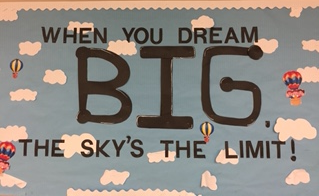
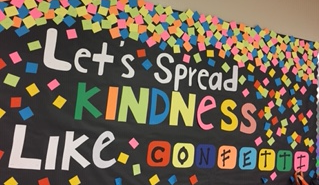
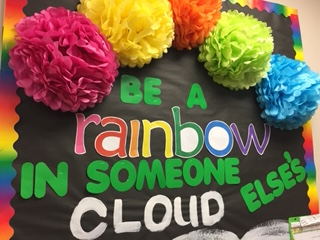
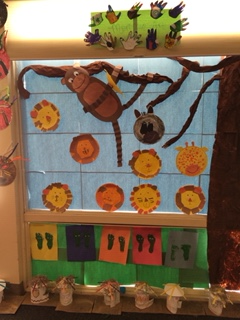
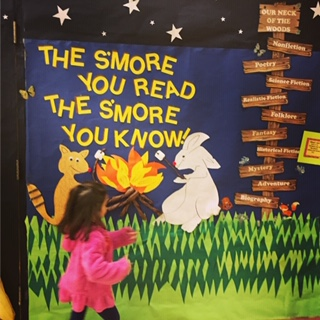
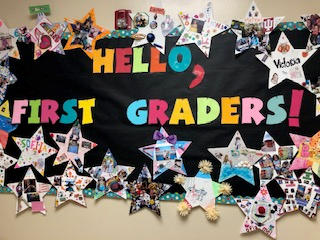
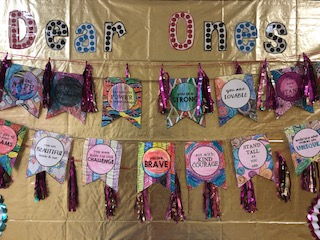
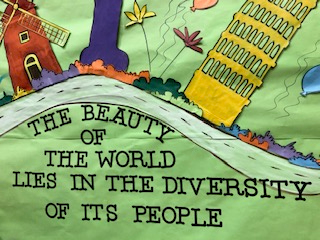
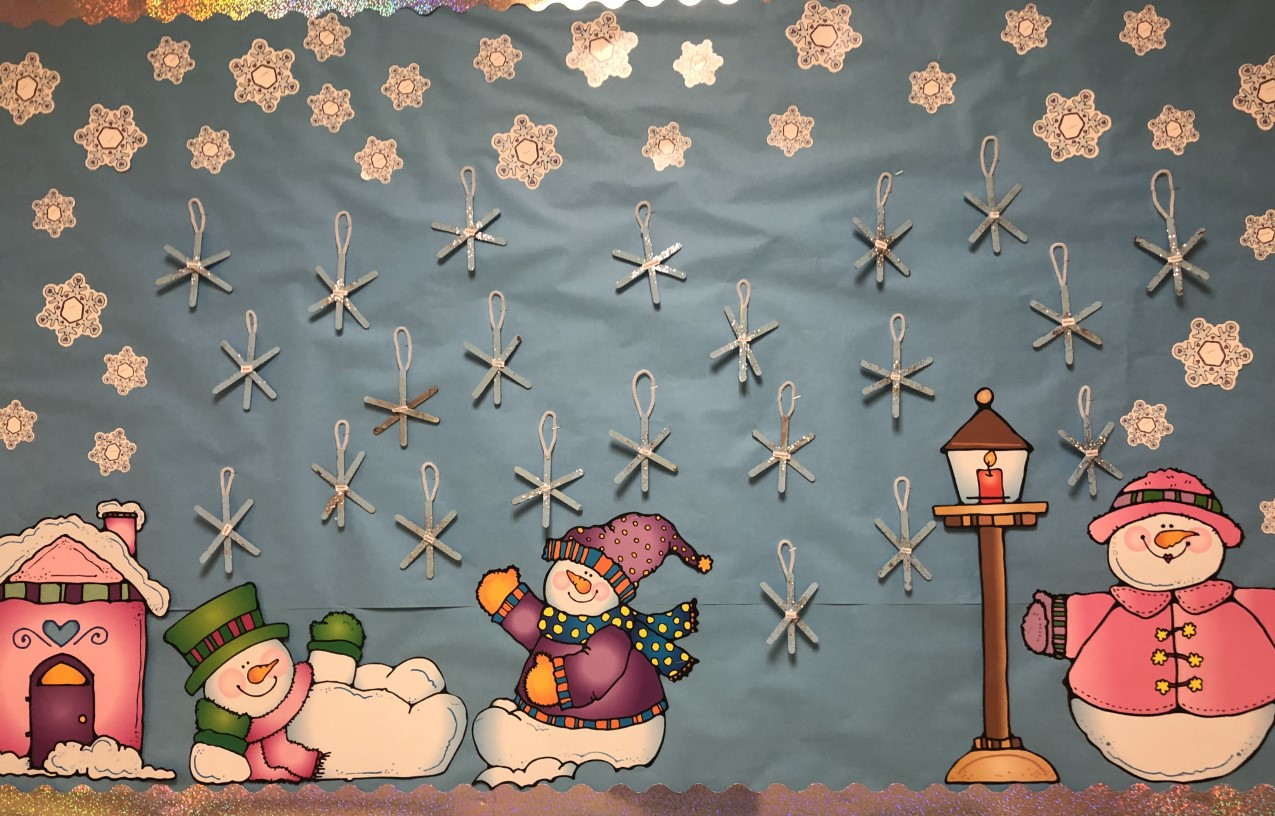
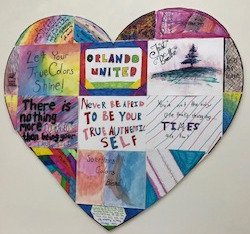
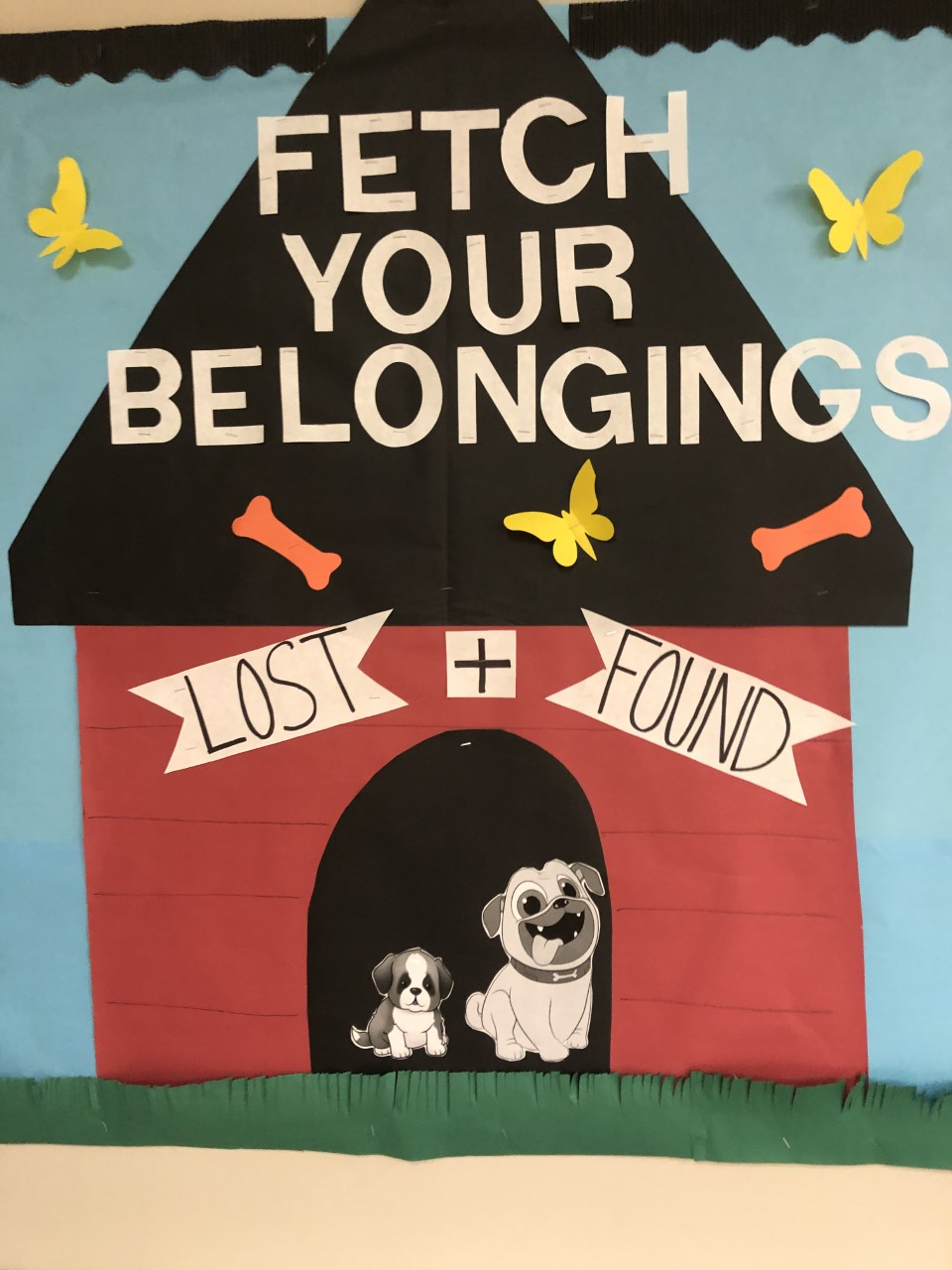
Here are some bulletin boards that I adore. Thank you to these bulletin board artists. Enjoy!

Artwork

“Would I be bad parent if I threw this away?” If you are a parent, you may have asked yourself a question like this. Or maybe I’m the only one who has questioned myself when deciding what to keep and what to toss. I’m talking about artwork. Can or should we keep everything our children make? There are only so many things to do with kid artwork. Or is there?

Before tossing that masterpiece, see if one of these might work…

  • Frame the art to hang on the wall at your child’s eye level

  • Make a calendar of your child’s art

  • Put the art in a storage bin under the bed

  • Turn the art into a coffee mug

  • Make a scrapbook from the art

  • Use the art for your holiday cards to highlight your child’s work

  • Put it on the refrigerator to make an art gallery

  • Display 3D art (e.g., pottery, soap sculptures, etc.) in the home

  • Use the art to give a gift to someone

  • Collect the art for a portfolio

  • Take a digital photo of the art and make an e-portfolio

  • Tape art to the windows around the house

  • Make stationery out of your child’s art

  • Have an art show in your backyard where you celebrate the artist…all attendees can leave with some art

Do you have any ways you like to archive children's artwork? Please share. I’m starting to run out of ideas. Help!

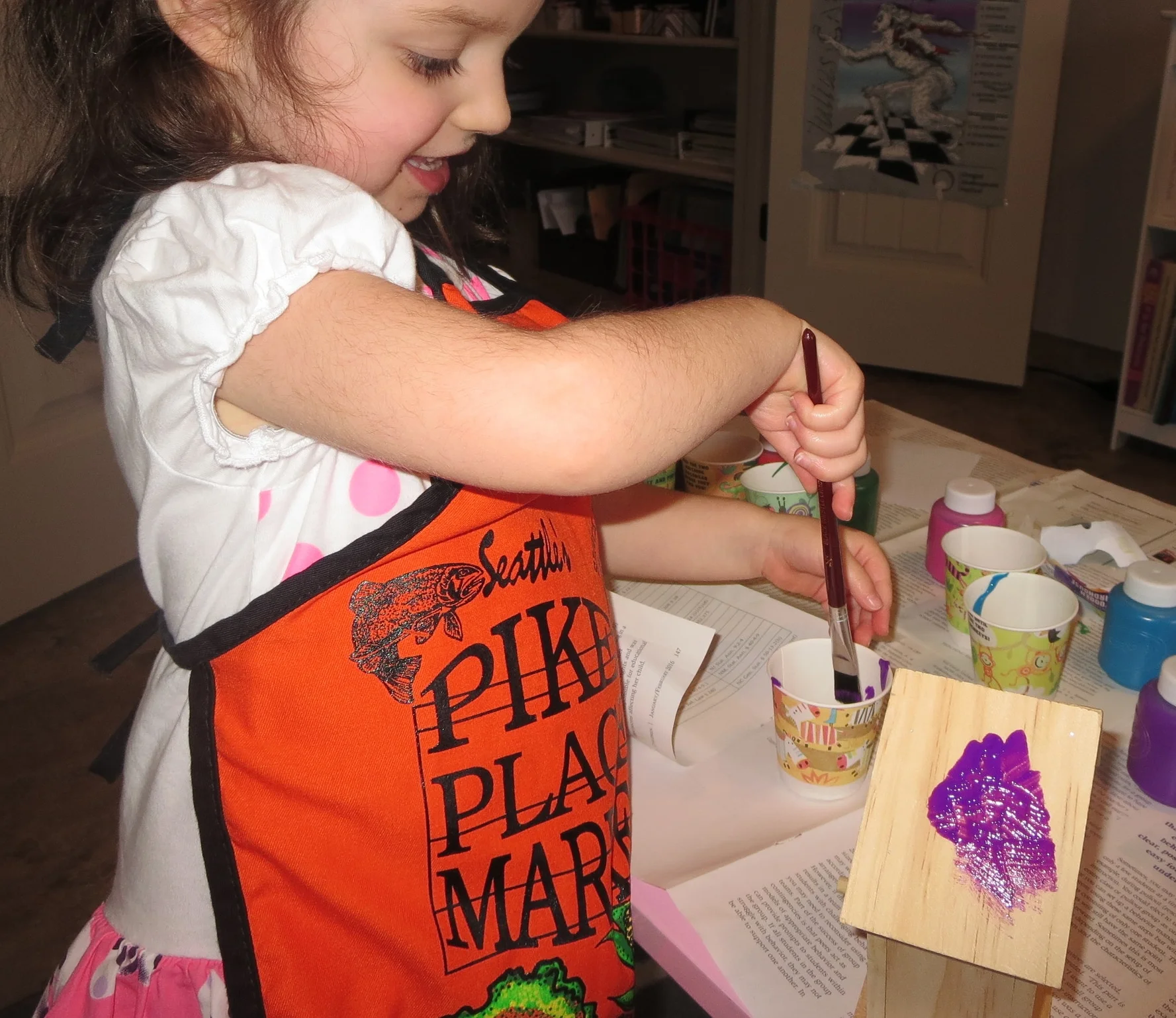
Painting a wooden birdhouse

Painting a wooden birdhouse

Fancy Cancy

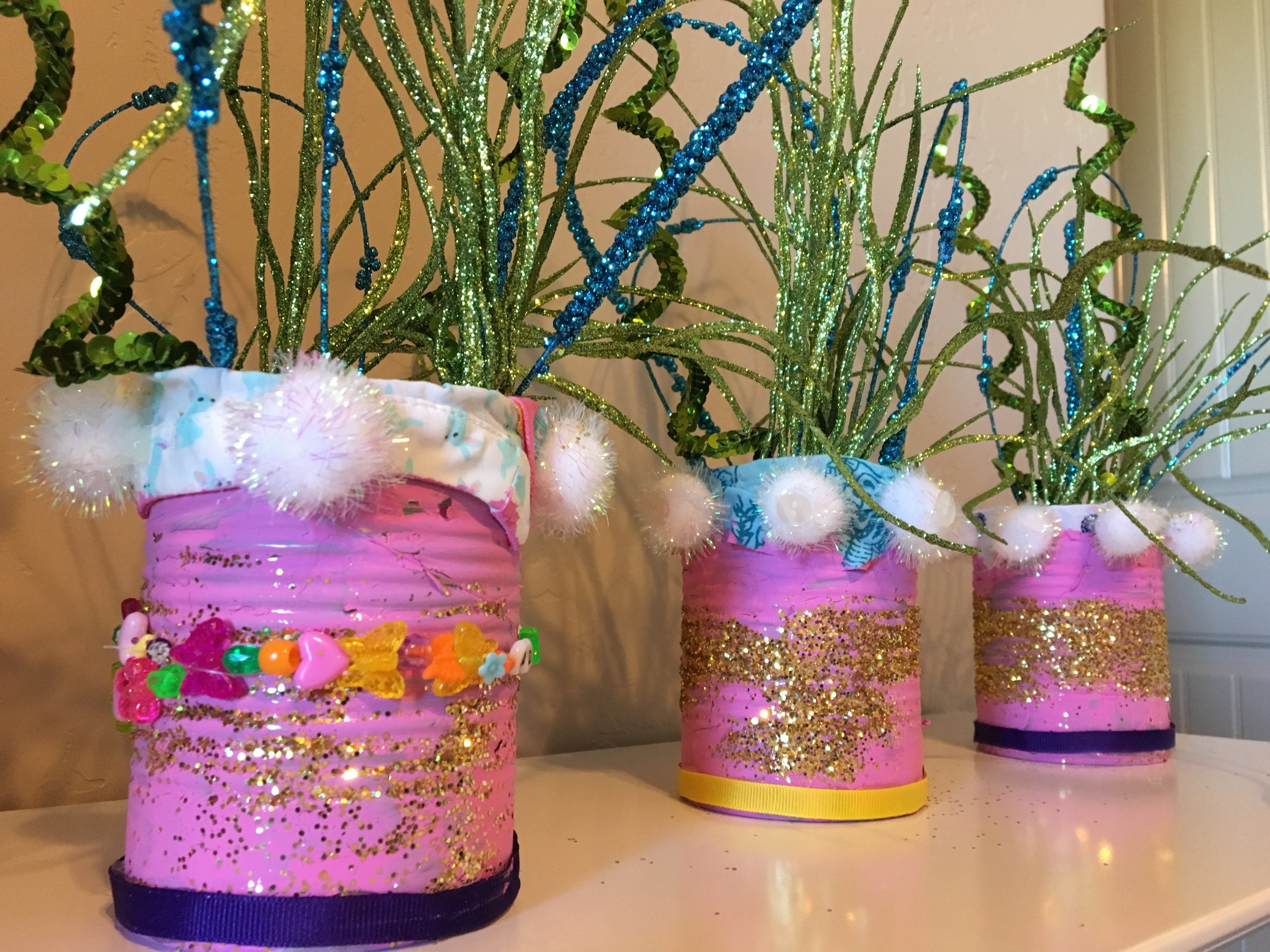
Decorations for a party can get expensive. Make your own works-of-art when you decorate for a party. You and your child can get your creative juices flowing and enjoy making a project together.

Here is a craft for a table centerpiece called, Fancy Cancy. All you need is a clean empty can, paint, glue, scraps of fabric, and ribbon. First, glue fabric scraps around the sharp part of the can for safety. Then paint the outside of a clean can. Add ribbon and any other embellishments when the paint is done drying. Glitter and beads can add a finishing touch. Once the Fancy Cancy is done you can fill the can with your favorite party items (e.g., cut flowers from the yard, candy like tall red vines, decorated chop sticks, name cards, etc.).

Facilitate your child’s creativity by noticing what s/he is interested in talking about while creating art. You can make the Fancy Cancy together, or each person can have their own can to decorate. Have a party preparing for the party!

Fancy Cancy

Fancy Cancy

Marbled Art

You don’t have to be Martha Stewart to have a little fun with scissors, ink, and shaving cream. If you are looking for a fun activity to do this month with children, why not try the ancient craft of marbling in celebration of National Craft Month!

The art of marbling goes back centuries. It was used for official purposes and documents, as well as for decorative purposes. Marbling can be done in so many different ways. Marbled designs can be applied to paper, fabric, three-dimensional surfaces and more. No two designs are alike. Here is an activity to get you started making marbled art.

Materials: pan, shaving cream (the white foamy kind), food coloring/dye, paper, and toothpicks

Create: Spray the shaving cream into the pan. Add the food coloring to the shaving cream. Use the toothpicks to create swirls in the white shaving cream. Next, gently lay your paper on the surface of the marbled design you made. Lift the paper and scrape off any excess foam. Voila! You have marbled paper! Let the paper dry for at least a day.

When your paper craft is done drying you can make all sorts of things out of your designs. Stationery, bookmarks, and wall art can result from your marbling. L’arte d’arrangiarsi is an Italian phrase that means to create something from nothing. Create something beautiful today!

Marbled Art

Marbled Art