Early Literacy

Young children are developing language and literacy skills from the daily ongoing activities in their environment. Parents and early childhood educators can promote early literacy development by being responsive to young children's language and emergent literacy attempts.

Recently my three year old and I were at our local farmer’s market. She became interested in a stand at the market selling woodcraft items. The vendor showed her an alphabet board he made. He invited her to place letters in the wood board. The three of us played and talked about the 26 letter names, letter sounds (e.g., phonemes), and shapes of letters for a half hour. This is an example from the market where early literacy opportunities can happen anytime and anywhere.
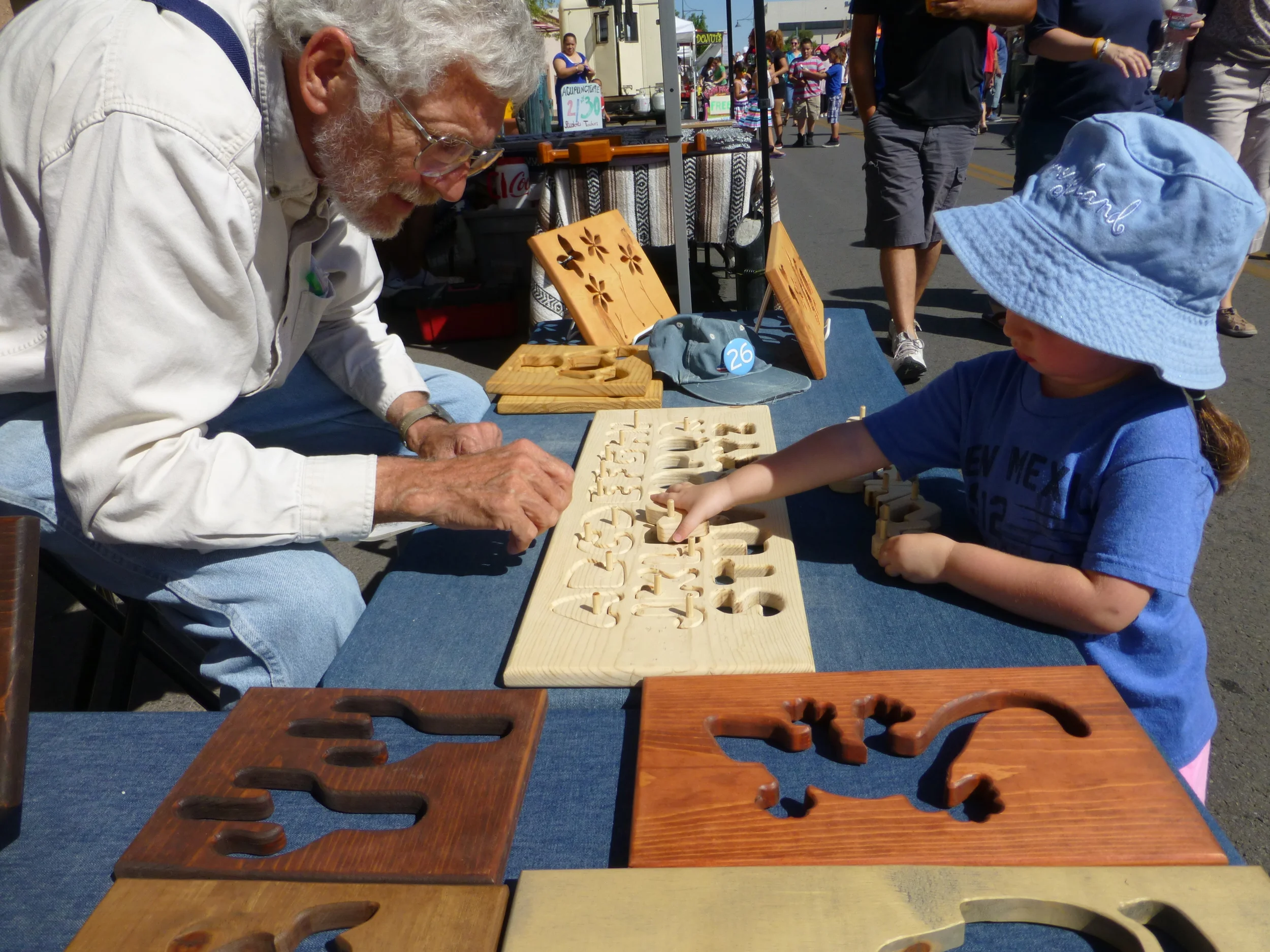
Language development is the precursor to reading. Talk to children. Listen to children. Partner with children to exchange rich language experiences. Sing with children. Read with children. Tell children stories and nursery rhymes so they hear spoken language without text.

A responsive atmosphere for learning language prepares children to hear and manipulate the sounds (i.e., phonemic awareness) needed for eventually reading text. Letter names (e.g., “C”) AND the sounds the letters make (e.g., /S/ as in city) can be used in alphabet play when children are ready. Children will be encouraged when they see you playing and responding to their emergent literacy development.

Glossary

Phoneme = unit of sound

Phonemic Awareness = ability to manipulate sounds
Toy Rotation

Children can become bored with the same toys day in and day out. Parents and educators do not need to go out and buy new toys when the child loses interest.  One way to obtain and maintain interest is to rotate toys.

The practice of “Toy Rotation” requires the adult to observe how the child is responding to the toy, and then following the child's lead to provide learning opportunities.

If the child is having fun and continuing to gain enjoyment out of the toy, then continue to allow the child to play with the toy. If the child has lost interest, start the toy rotation process. The following steps can be used to get the most out of your child’s toys.

Step #1- Store Toys

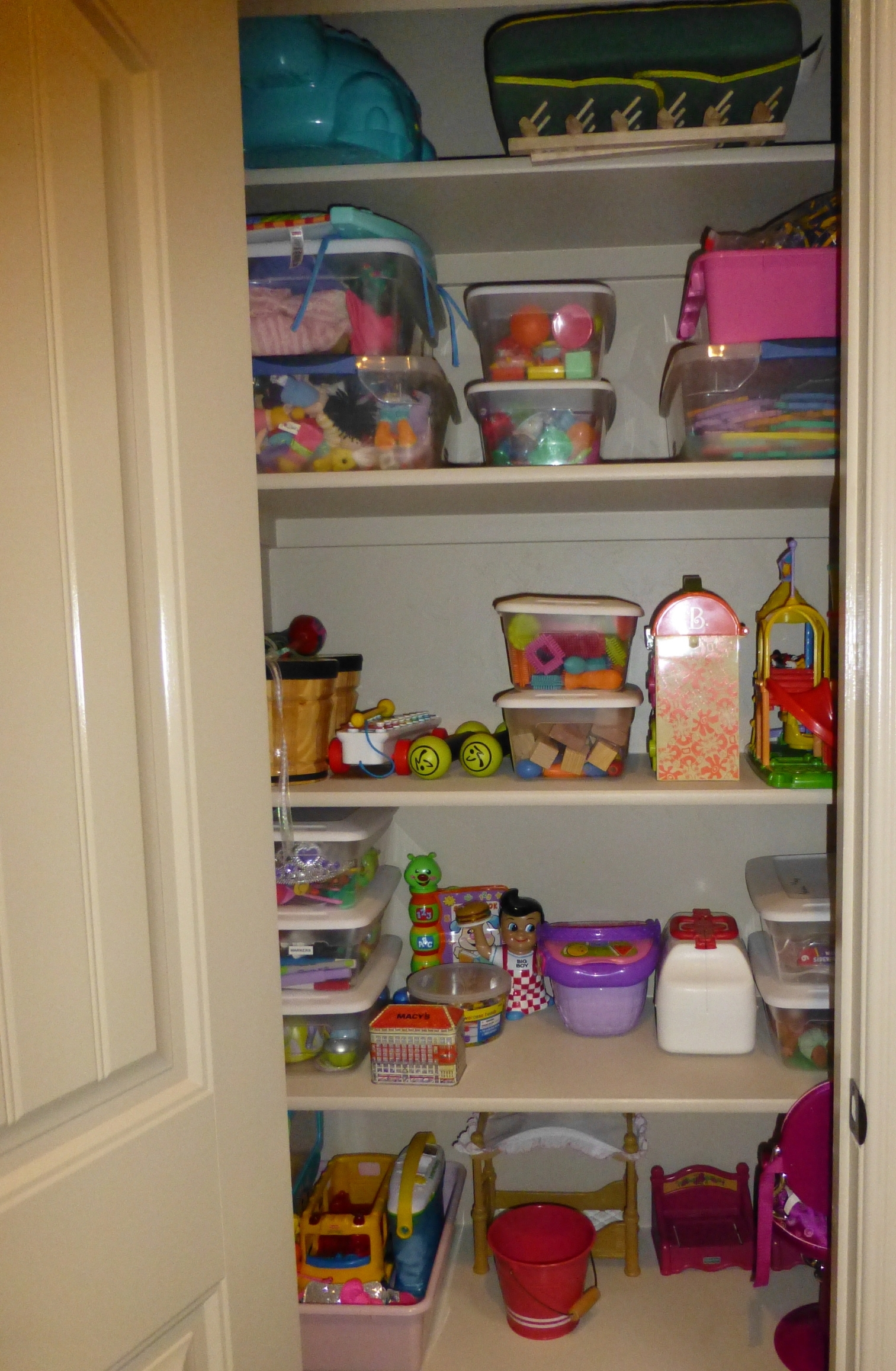
Find a storage area where you can house the child’s toys. In my house, I removed towels from a linen closet which has now become our toy closet. Here is where I have organized toys that are not currently being played with by my child. When storing toys, be sure they are stored in ready-to-go condition. This may include cleaning the toy, replacing a battery, or mending a broken part of the toy.

Step #2- Rotate Toys

If you notice a child’s interest in a toy is fading, pull the toy out of play and rotate with another one that is in storage. Go to the storage area and replace a toy based on your child’s interests and motivation for play. Help your child find another toy s/he would like to play with from your storage area.

This is an iterative process. Repeat steps one and two as needed. There may come a time when your child outgrows a toy. Consider finding a new home for the toy. If possible, involve child(ren) in the toy recycle activity. Incorporate toy rotation for many hours of learning and fun for your child. 


Marisa's Chicken Cheetos

Have you ever wanted to make something for dinner only to discover a half hour before mealtime that you do not have the correct ingredients? It is frustrating. My family likes baked chicken cutlets. I was about to prepare the cutlets one night for dinner when I realized I ran out of Panko bread crumbs, and had no bread to make bread crumbs. What’s a Mommy to do?

A bag of Cheetos was in the pantry. I figured the orange-dyed, jagged, crunchy delicacies might work the same way bread crumbs do. So I pulverized (I love this word but awkward to use in daily conversation) what was left of the Cheetos bag to create a crumb mixture. Chicken and Cheetos? Who knew!

Marisa Macy’s Chicken Cheetos

Ingredients:

3-4 boneless, skinless chicken tenderloins

2 eggs

1 cup of Cheetos crumbs (to make: pulverize a small bag of Cheetos in a Cuisinart)

Directions: Cut chicken tenderloins into strips or nuggets. Coat the chicken with the egg wash. Then dip the egg-coated chicken into the Cheetos crumbs. Place chicken onto a glass baking dish or cookie sheet that has been greased with olive oil. Bake in the oven at 350 degrees for about 30 minutes or until done. Buon Appetito! 

Waiting

“Waiting is the hardest part,” sings Tom Petty. True! Waiting can be challenging. It is not easy to wait for something to happen. Or wait for someone.

Although it can be difficult for children to learn how to wait, waiting is not necessarily a bad thing for children. Waiting can help a young child learn patience and self-control. These are important building blocks for developing social emotional competency.

Waiting for my turn at the wheel at Monsters Inc. Playground at Disney's Flower & Garden Festival

Waiting for my turn at the wheel at Monsters Inc. Playground at Disney's Flower & Garden Festival

Too much waiting, however, could have negative outcomes for young children. I was talking with a colleague about high/low quality early childhood programs. She said an interesting thing that I’m still thinking about four months later...children who are left waiting too long for routines and events are disadvantaged.

High quality early childhood programs are places where children are engaged, and minimal time is spent during a child’s day waiting. When a child has to wait too long, they are often taken from engaged play or meaningful learning opportunities. A useful question to ask is: How much waiting is too much? For each child it might be different. Issues to consider are: the child’s age, developmental status, environment, and routines.

All children need a safe and healthy environment to grow. Patch Adams M.D., said, “waiting in line is a great opportunity to meet people, daydream, or play.” Some waiting is fine… and can even be valuable for children. However, notice how long kids are having to wait during their day. More play and less waiting is ideal.

Lemonade Stand

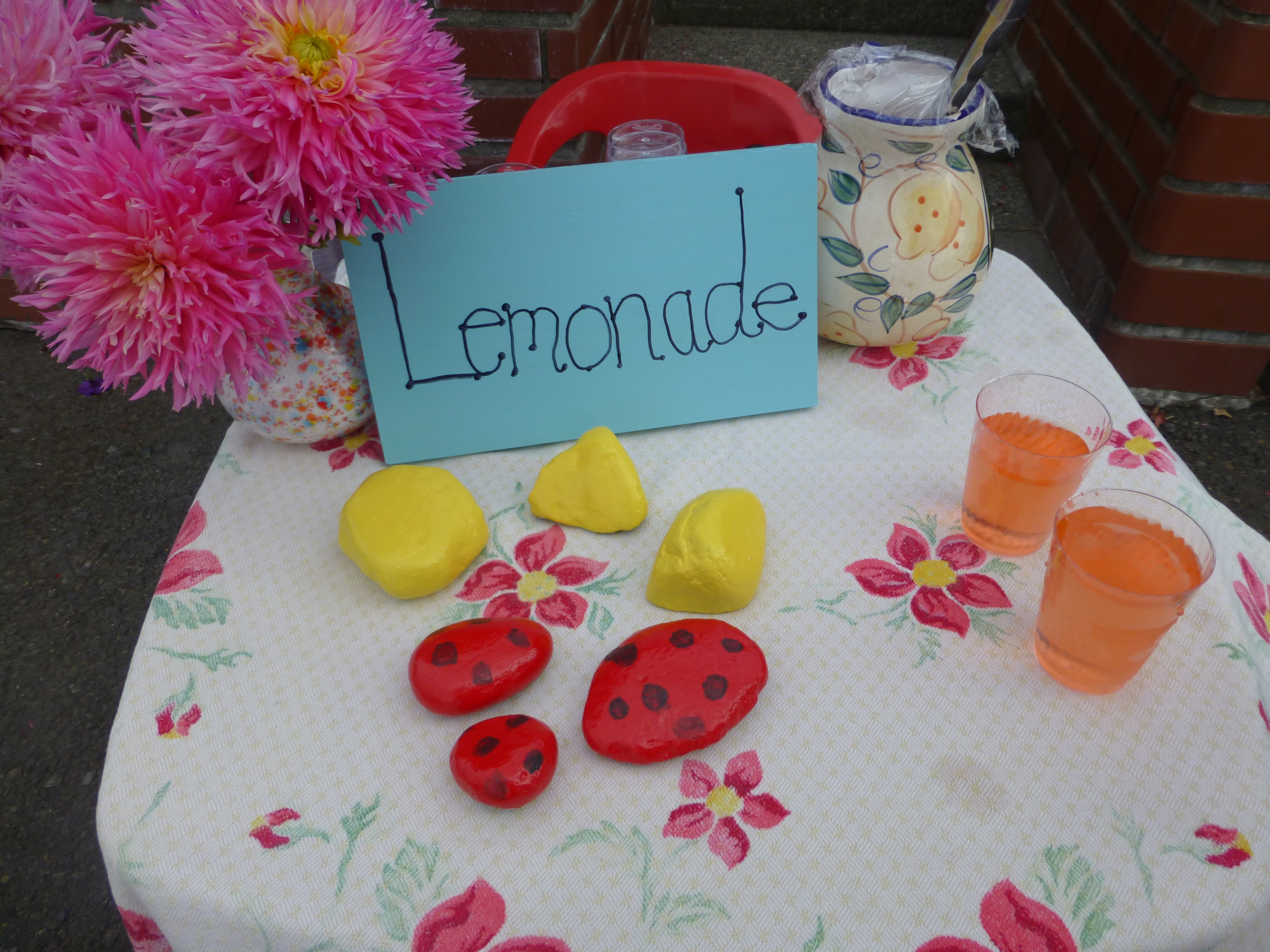
One of the first business experiences many of us have is running a lemonade stand. The fashion entrepreneur, Lilly Pulitzer, got her start running a juice stand in Florida. It is said that she created colorful prints in an effort to hide the citrus stains from juicing. At least 5 important lessons can be learned when children start their own business selling lemonade.

Lesson #1- PRODUCT

The lemonade recipe, ingredients, cups, presentation, and more need to be considered by young entrepreneurs. Capital of some sort is needed to begin. Adults can help children with the start-up money necessary to invest in their product. Kids can show their creativity and design skills when inventing products. Foster their imagination by encouraging inquiry. Another fashion designer in footwear came up with his unique product for boat shoes by watching how his cocker spaniel kept from sliding around on slippery surfaces. He copied the design of the dog’s paw and replicated the paw print on the sole of the shoes. Product ideas are everywhere…even where you least expect it.  

Lesson #2- LOCATION

Where to sell the lemonade and set up shop is another important decision kids and adults will make. Deciding where to operate the lemonade stand will need adult support and supervision. Parents: be sure the location is safe. Consider traffic and cars, as well as other safety needs of children. Scout out areas that meet optimal safety standards. Kids will also need to sell their product in locations where there are customers.

Lesson #3- MARKETING

Help children get the word out about their business. Posters and other communication materials can be made by the kids. Their marketing campaign can be implemented with the help of an adult.

Lesson #4- SALES

It really becomes fun for kids once the stand is all set up and customers start to shop at their lemonade stand. Children can learn about selling their product. Some questions about money are: (1) how much will they charge for their product, (2) will it be a donation, and (3) do they have enough money to make change on sales? Children can further the decision making process when they decide what to do with the profits they make from sales.

Lesson #5- MANAGEMENT

Managing the lemonade stand takes time and effort. If there is more than one child involved, a process for managing labor will need to be considered. For example, employee roles and responsibilities will need to be discussed.

An adult should closely supervise children while they are learning all aspects of starting their business. Operating a LEMONADE STAND is a valuable learning experience and so much fun!

Get your fresh lemonade!

Get your fresh lemonade!

A Play

We went to see Gilbert and Sullivan’s Iolanthe which was first produced at the Opera Comique in London in 1882. It was my child’s first play. The children’s theatre company sang, danced, and acted in such a way that maintained my toddler’s attention for over two hours. On the drive home, we talked about our favorite things in the play. My favorite part was the music by Sir Arthur Sullivan. In particular, was a song entitled, “When I Went to the Bar” sung by Lord Chancellor who is one of the main characters. He is having a conversation with himself and the chorus repeats “said I to myself- said I.”

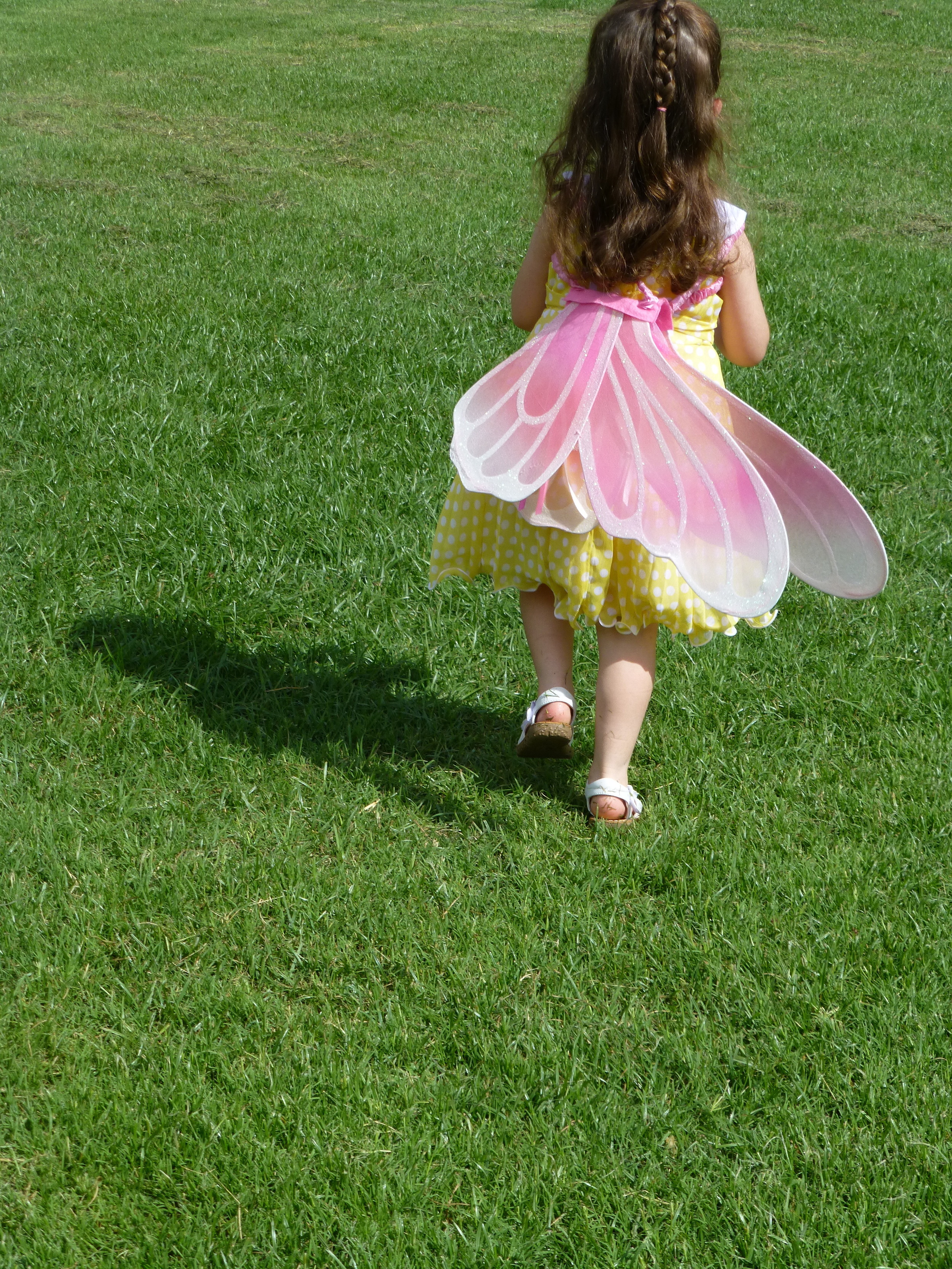
My toddler said the people were her favorite part of the play. The actors and actresses had beautiful singing voices, colorful costumes, and had interesting words and movements. The fairies in Iolanthe wore colorful wings that were similar to the ones my daughter wore to the play

When we were done saying our favorite things, it got quiet in the back seat. At first I thought she fell asleep since it was past her nap time. Then I heard it. A question that Sir Lord Google was unable to help me with at that moment. “Mommy, why do we call it a play?” Hmm. Why is a live, stage performance referred to as a play?     

Maybe it is because the places a play can take you… Said I to myself – said I! Like a roller coaster ride, a play has twists and turns. A play can take you to exciting locations through staging, costume, and story without ever leaving your seat. When we play, we use our imagination and can transport ourselves similarly.

Maybe it is because the audience attending the play is experiencing a collective leisure activity... Said I to myself – said I! Doing something with others can bring us happiness. We need each other. Play is enjoyable when we have others around to join in the fun. It does not have to be engaged play with another person, but parallel play is where we can sit beside and enjoy the other person’s company.

Maybe it is because the creative expression required to produce a play … Said I to myself – said I! Dressing up in costumes, pretending to be something you are not, trying out different roles, and using language in experimental ways are things children do when they play. A live stage production is not all that different than watching a young child play.

Whatever the reason we call it a “play”, a really good one does feel the same as play. There is nothing better than getting lost in play! (Said I to myself – said I)

PLAY

PLAY

Ice Cream

Nothing says summer quite like ice cream. It can be licked, bitten, slurped through a straw, spooned and shoveled. It comes in many flavors. It is cold and refreshing on a hot day.

But there is something about ice cream and young children that can be confounding. How can a child eat only two bites and be done?

Researchers at Penn State University have a line of research I call the Mac-n-Cheese Study where they experimented with how young children clean their plates. They found that preschoolers typically eat about 1/3 of their food, or 186 calories, when given a one cup portion of macaroni and cheese. But, when given a two cup portion of the "comfort" food the kids ate about 1/2 of their food, or 258 calories.

The more food the adults put on the plate, the more the preschoolers ate.

Larger portions encourage overeating. Avoid portion distortion by placing too much food on their plates. Youngsters do not need membership in the clean-your-plate club. Kids may be done after a couple of bites.

Instead of encouraging eating all of their ice cream the next time I hear a child say they are full after a couple of licks… I will celebrate with song by singing my Dad’s favorite tune for the occasion:

I scream!

You scream!

We all scream for ICE CREAM!

The leftover ice cream can be saved in the freezer for another day.

Moving with Little Ones

Many people would rather scrub toilets at their local gas station than move. It is no picnic moving with little ones. I moved households when my daughter was 3 months old, 29 months old, and again at 38 months old. Here are some things I learned to keep me from cleaning toilets at Shell.

1. Have FUN!

Depending on the child’s age, they might have a hard time watching you place their cherished belongings in a box. My toddler was confused when she saw me placing her toys in a box. It was helpful to explain in words/concepts the she could understand that her belongings would be meeting us at the new house. Talk to your child about where, why and when you are moving. Answer questions and facilitate communication about the move. Make moving fun by incorporating your child’s interests into the move. My child was really interested in stickers. She placed “her” stickers (e.g., stars, smiley faces, etc.) on the boxes. 

2. Be flexible with packing.

Finding the time, energy, resources, and conditions to pack all your belongings is extra challenging when you are also caring for children. It is not always possible to pack when your children are away, but ideal. I found it much easier to pack when my child was asleep or away from the house.

3. Help your child with saying “Good Bye.”

Closure is important not only for adults, but children too. Acknowledge your child’s feelings about moving. Is she scared, excited, nervous, happy, and or mad about the move? Having a closure activity or ceremony can help children say good bye. A going away picnic with her favorite treats is how my toddler spent her last day with friends.

4. Unpack treasured things.

Let your child unpack some of his or her boxes when you get to the new location. It will feel like a birthday or Christmastime when they unpack their familiar objects at their new home.

5. Resume familiar routines when you get to the new location.

Keep sleep and meal routines the same or similar when you move. Go to bed at the same time at night, and keep nap times predictable. Maintaining your child’s sleeping and eating routines can help with their ability to self-regulate.