A Play

We went to see Gilbert and Sullivan’s Iolanthe which was first produced at the Opera Comique in London in 1882. It was my child’s first play. The children’s theatre company sang, danced, and acted in such a way that maintained my toddler’s attention for over two hours. On the drive home, we talked about our favorite things in the play. My favorite part was the music by Sir Arthur Sullivan. In particular, was a song entitled, “When I Went to the Bar” sung by Lord Chancellor who is one of the main characters. He is having a conversation with himself and the chorus repeats “said I to myself- said I.”

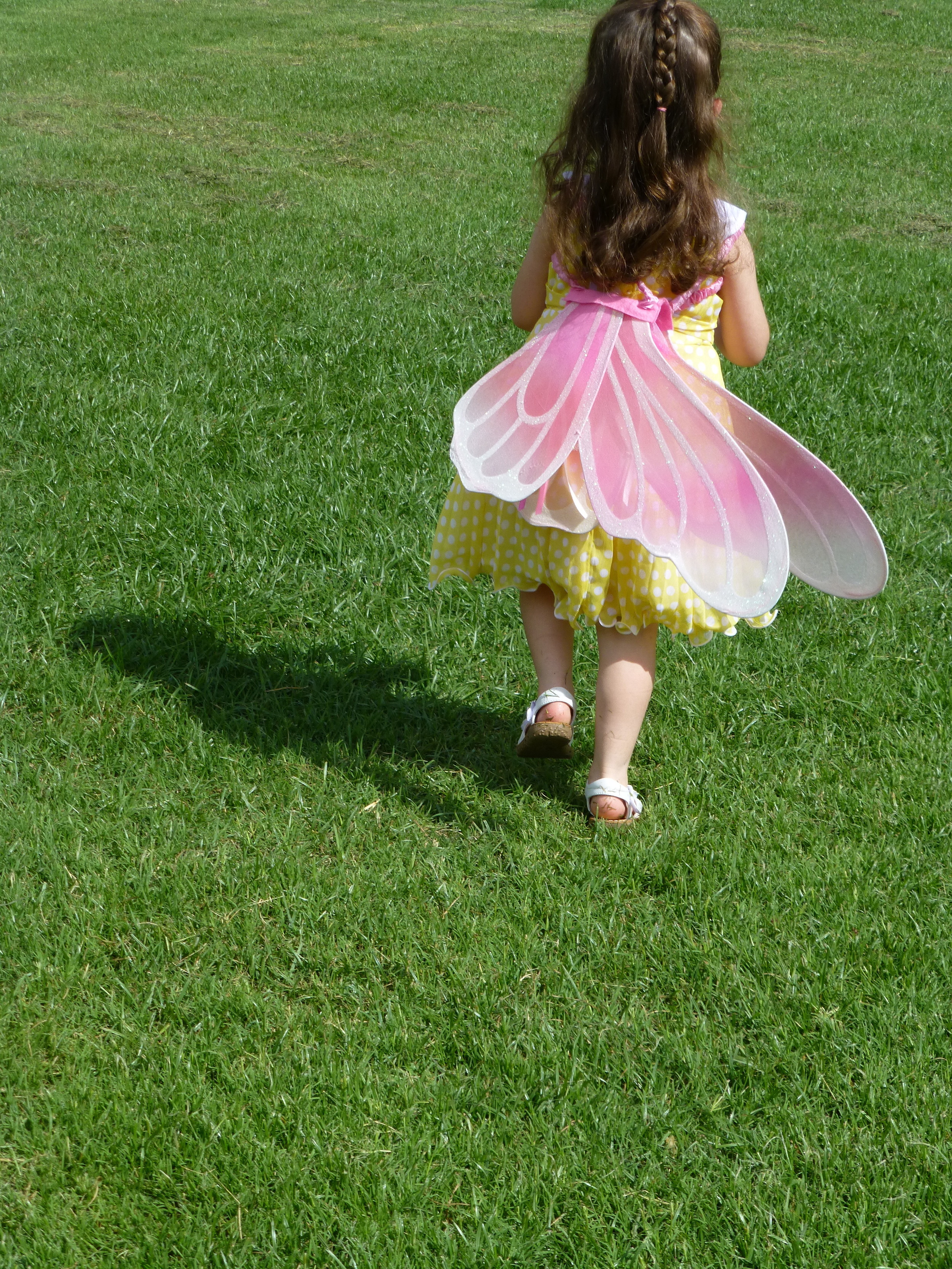
My toddler said the people were her favorite part of the play. The actors and actresses had beautiful singing voices, colorful costumes, and had interesting words and movements. The fairies in Iolanthe wore colorful wings that were similar to the ones my daughter wore to the play

When we were done saying our favorite things, it got quiet in the back seat. At first I thought she fell asleep since it was past her nap time. Then I heard it. A question that Sir Lord Google was unable to help me with at that moment. “Mommy, why do we call it a play?” Hmm. Why is a live, stage performance referred to as a play?     

Maybe it is because the places a play can take you… Said I to myself – said I! Like a roller coaster ride, a play has twists and turns. A play can take you to exciting locations through staging, costume, and story without ever leaving your seat. When we play, we use our imagination and can transport ourselves similarly.

Maybe it is because the audience attending the play is experiencing a collective leisure activity... Said I to myself – said I! Doing something with others can bring us happiness. We need each other. Play is enjoyable when we have others around to join in the fun. It does not have to be engaged play with another person, but parallel play is where we can sit beside and enjoy the other person’s company.

Maybe it is because the creative expression required to produce a play … Said I to myself – said I! Dressing up in costumes, pretending to be something you are not, trying out different roles, and using language in experimental ways are things children do when they play. A live stage production is not all that different than watching a young child play.

Whatever the reason we call it a “play”, a really good one does feel the same as play. There is nothing better than getting lost in play! (Said I to myself – said I)

PLAY

PLAY

Ice Cream

Nothing says summer quite like ice cream. It can be licked, bitten, slurped through a straw, spooned and shoveled. It comes in many flavors. It is cold and refreshing on a hot day.

But there is something about ice cream and young children that can be confounding. How can a child eat only two bites and be done?

Researchers at Penn State University have a line of research I call the Mac-n-Cheese Study where they experimented with how young children clean their plates. They found that preschoolers typically eat about 1/3 of their food, or 186 calories, when given a one cup portion of macaroni and cheese. But, when given a two cup portion of the "comfort" food the kids ate about 1/2 of their food, or 258 calories.

The more food the adults put on the plate, the more the preschoolers ate.

Larger portions encourage overeating. Avoid portion distortion by placing too much food on their plates. Youngsters do not need membership in the clean-your-plate club. Kids may be done after a couple of bites.

Instead of encouraging eating all of their ice cream the next time I hear a child say they are full after a couple of licks… I will celebrate with song by singing my Dad’s favorite tune for the occasion:

I scream!

You scream!

We all scream for ICE CREAM!

The leftover ice cream can be saved in the freezer for another day.

Moving with Little Ones

Many people would rather scrub toilets at their local gas station than move. It is no picnic moving with little ones. I moved households when my daughter was 3 months old, 29 months old, and again at 38 months old. Here are some things I learned to keep me from cleaning toilets at Shell.

1. Have FUN!

Depending on the child’s age, they might have a hard time watching you place their cherished belongings in a box. My toddler was confused when she saw me placing her toys in a box. It was helpful to explain in words/concepts the she could understand that her belongings would be meeting us at the new house. Talk to your child about where, why and when you are moving. Answer questions and facilitate communication about the move. Make moving fun by incorporating your child’s interests into the move. My child was really interested in stickers. She placed “her” stickers (e.g., stars, smiley faces, etc.) on the boxes. 

2. Be flexible with packing.

Finding the time, energy, resources, and conditions to pack all your belongings is extra challenging when you are also caring for children. It is not always possible to pack when your children are away, but ideal. I found it much easier to pack when my child was asleep or away from the house.

3. Help your child with saying “Good Bye.”

Closure is important not only for adults, but children too. Acknowledge your child’s feelings about moving. Is she scared, excited, nervous, happy, and or mad about the move? Having a closure activity or ceremony can help children say good bye. A going away picnic with her favorite treats is how my toddler spent her last day with friends.

4. Unpack treasured things.

Let your child unpack some of his or her boxes when you get to the new location. It will feel like a birthday or Christmastime when they unpack their familiar objects at their new home.

5. Resume familiar routines when you get to the new location.

Keep sleep and meal routines the same or similar when you move. Go to bed at the same time at night, and keep nap times predictable. Maintaining your child’s sleeping and eating routines can help with their ability to self-regulate.