“Okay, I tried dolce far niente and I’m bored to tears! What now?”
In our teaching practice, we are lucky to have chunks of time to spend during summer breaks, holiday breaks, and of course the beloved personal days. This gives us time off that many professions do not enjoy. In case you are having trouble coming up with ways to spend A.T.T.O. (all that time off), here are nine ideas for you.

Siena, Italia
#1- Read. During the school year, time for reading fun books may be limited. But that is why we are so fortunate to have A.T.T.O.! The author of Teacher Man, Mr. Frank McCourt, understood the concept of A.T.T.O. after he spent several years in the classroom (2005). His book was a treat one summer when I finally read it. I do not read as much as I want when I am teaching, because there is too much other stuff to do (e.g., grade papers, prepare lessons, address student needs, and much more). When it is time to rotate the crops, and cash in on A.T.T.O., I get my book list out that I’ve been collecting all school year. Remember to ink it when you think it or you might forget what you want to read. The act of writing down the book titles during the year is reinforcing, and gives me something to look forward to during the long months before A.T.T.O.! I just got done reading Susan Vreeland's Lisette's List and a character in the book tells another character to "do the most important thing first." Agreed! Read!
#2- Take a class. Enroll in a fun class. Your local community college might have just the class for you. Would you like to take a literary cooking class where you cook foods from a fictional book? Are you interested in learning the basics of car care? Maybe learning how the stock market works sounds fun to you? Do you want to learn how to decorate a cake? Being the student instead of the teacher may give you new insights into your teaching practices.
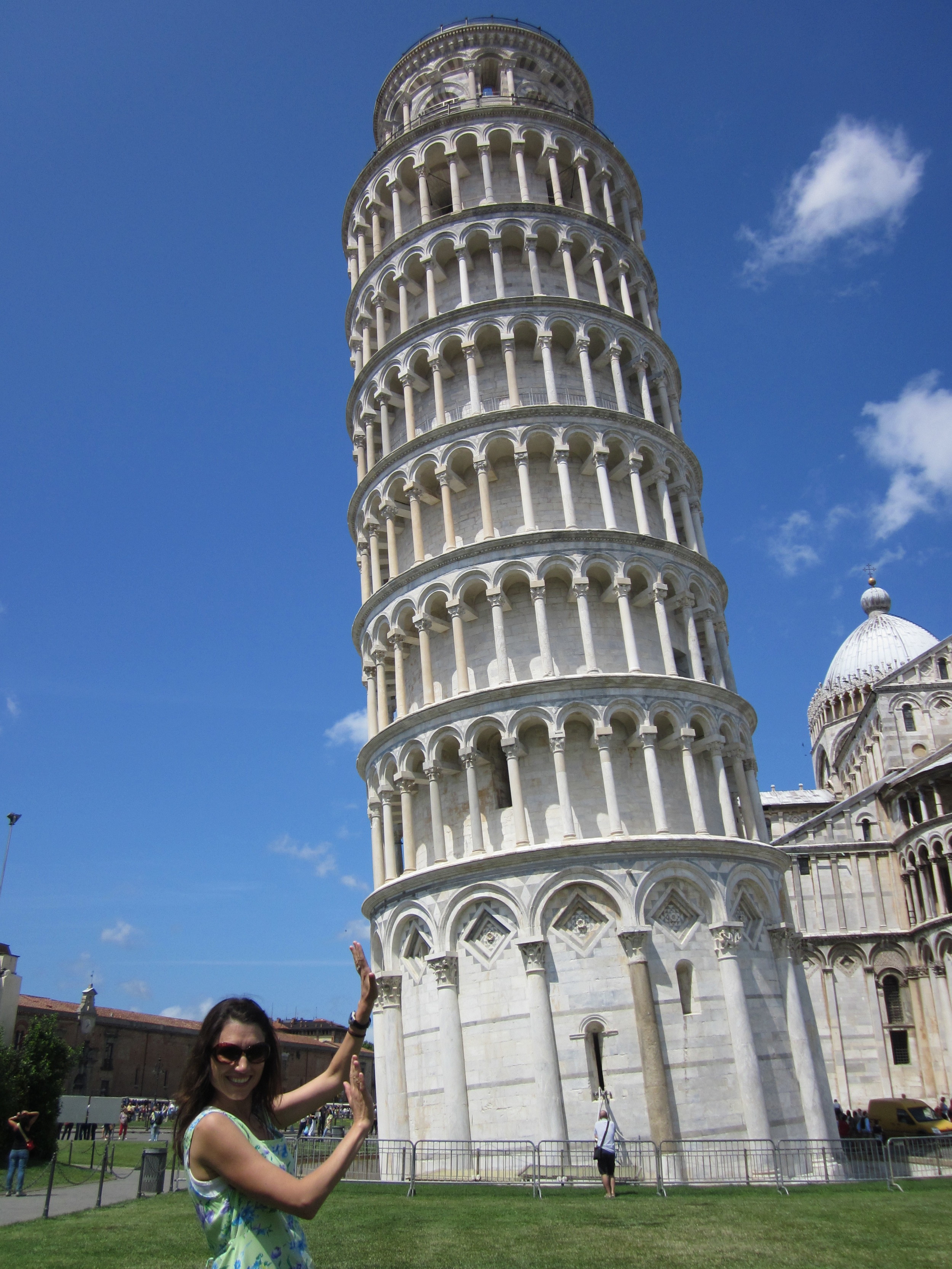
#3- Travel. Hit the road, air, water, or do what you can to get out of Dodge during A.T.T.O. If you cannot travel, the next best thing would be to read a travel book. Some inspiring creative non-fiction books about travel are: (1) Oregon Trail: A New American Journey by Rinker Buck, (2) Eat, Pray, Love by Elizabeth Gilbert, (3) Wild: From Lost to Found on the Pacific Crest Trail by Cheryl Strayed, and (4) Under the Tuscan Sun by Frances Mayes. Go somewhere, or read about another place, to transport yourself.
#4- Watch a movie. You will see that many of your joys and struggles in the teaching profession are universal. You are not alone. Here are some of my favorite education-related movies for A.T.T.O.
Breakfast Club (1985); Dangerous Minds (1995); Dead Poets Society (1989); Ferris Beuller’s Day Off (1986); Finding Forrester (2000); Freedom Writers (2007); Goodwill Hunting (1998); Grease (1978); Karate Kid (1984); Kindergarten Cop (1990); Lean on Me (1989); Miracle Worker (1962); Mr. Holland’s Opus (1995); Remember the Titans (2000); School of Rock (2003); Stand and Deliver (1988); Summer School (1987); The Theory of Everything (2014)
#5- Go glamping. Explore the great outdoors. Go on glamorous camping trips. Breathe the open air in the style of Henry Ford, Thomas Edison, John Burroughs, and Harvey Firestone. The “Vagabonds” as they called themselves knew how to go glamping in their later years by exploring the road less traveled together. Their camping trips became legendary. Interesting ideas may have been sparked during the campfire conversations between the automobile manufacturer, inventor, naturalist, and tire mogul.
Ford and Edison worked together before they became neighbors in Florida. Their friendship had spanned several years before they decided they’d like to go on camping trips together. They set out on several glamping adventures with friends. Their trips were a chance to relax in style, have fun, and experience nature decked out in luxury (i.e., cooks and assistants to help with work, spacious tents, Ford automobiles, gasoline stove, built-in refrigerator, Edison’s lights from the mobile electric generator, and more). Pretty impressive and glamorous given these glamping trips took place between 1914 and 1924.
#6- Write a novel, memoir, magazine article, or children’s book. If writing is your thing, A.T.T.O. is perfect for you. Writers need large amounts of uninterrupted time to develop a manuscript. You don’t need much in the way of equipment…just a pencil and some paper will do. You can write anywhere: laying on a sandy beach drinking spa water with infused tropical fruits, waiting for your dentist appointment, or sitting in an airport waiting for your flight to someplace fabulous. Just write!
#7- Projects. All those things you have been putting off can now get done during A.T.T.O.! Most of my household projects seem to take more time than I expect. One summer I treated and stained my outdoor decks. I thought it would be a two hour job. Wrong! My ability to estimate how long a project will take is about as reliable as a Wi-Fi connection inside the concrete walls of Costco. Have a blast! You will be glad you had the time to tackle these time-consuming projects during A.T.T.O.!
#8- Hobby. Now is the time to take up a new hobby, or further develop one you already have. Becoming good at a hobby takes a major time investment. We have so many talented hobbyists in our profession because of A.T.T.O.. I once worked with a Home Economics teacher who became a motorcycle enthusiast. In the summers she put away her quilts and recipes, slipped on black leather pants, and revved up her Harley on Route 66. Viva America!
#9- Play. Have you ever stopped to really watch a child who is absorbed in play? They don’t look at a clock to see what time it is. They don’t follow a schedule. They are in flow. They are totally lost in their fun. The founder of the Guild, Felicia Day, describes how she played Blizzard Entertainment’s World of Warcraft on average of sixty hours a week (Day, 2015). That is more than a full time job’s worth of hours. Isn’t that awesome! Imagine playing more hours than you work. Bravo, Felicia! With A.T.T.O., teachers could get on board a grand expedition too. Whatever it is you consider “play”–do more of it during A.T.T.O.!